


Static Grounding Standards Compared: NFPA 407 vs API RP 2003 vs NFPA 77
Three standards govern static grounding and bonding for most hazardous transfer operations in the United...
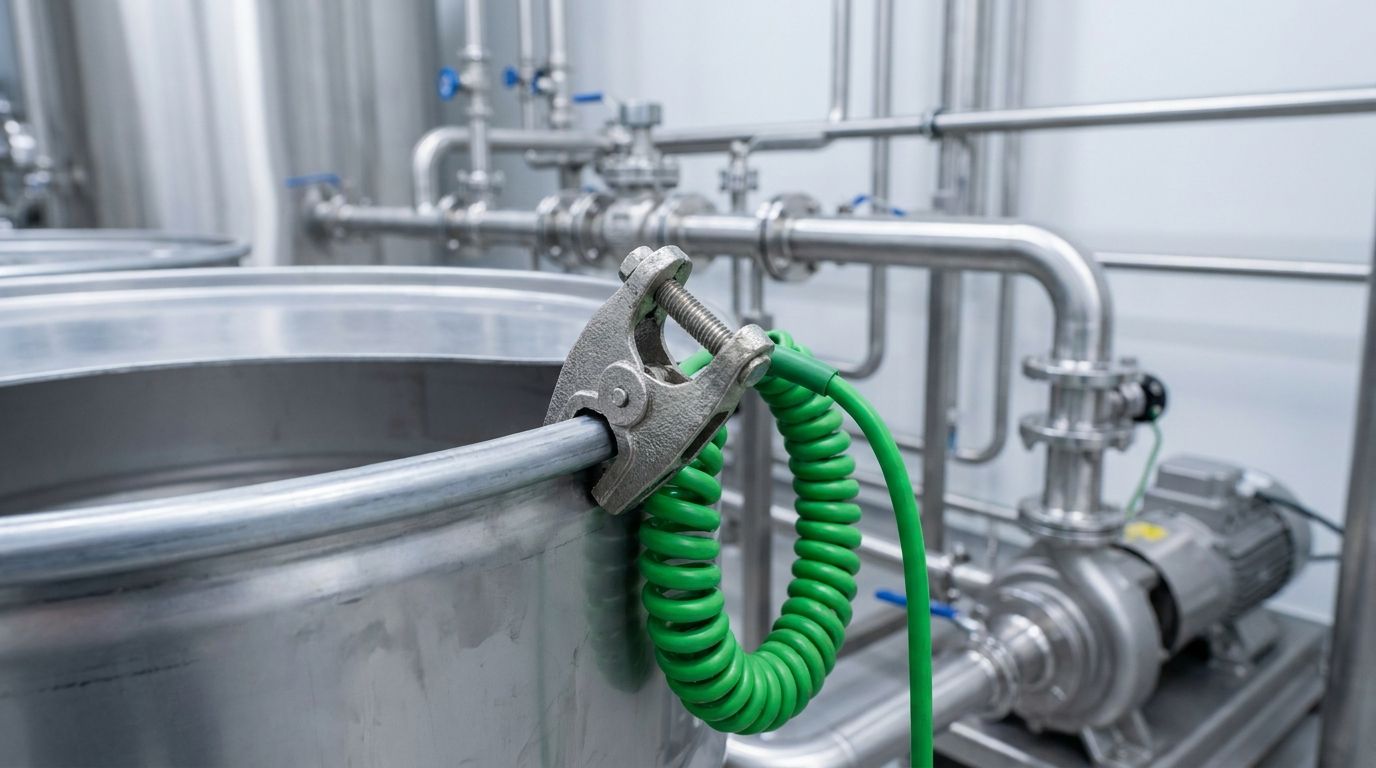
Static Grounding Requirements for Flammable Liquids: What NFPA 77, OSHA, and NFPA 30 Require
Grounding and bonding are required whenever flammable liquids are transferred. The flow of liquid generates...
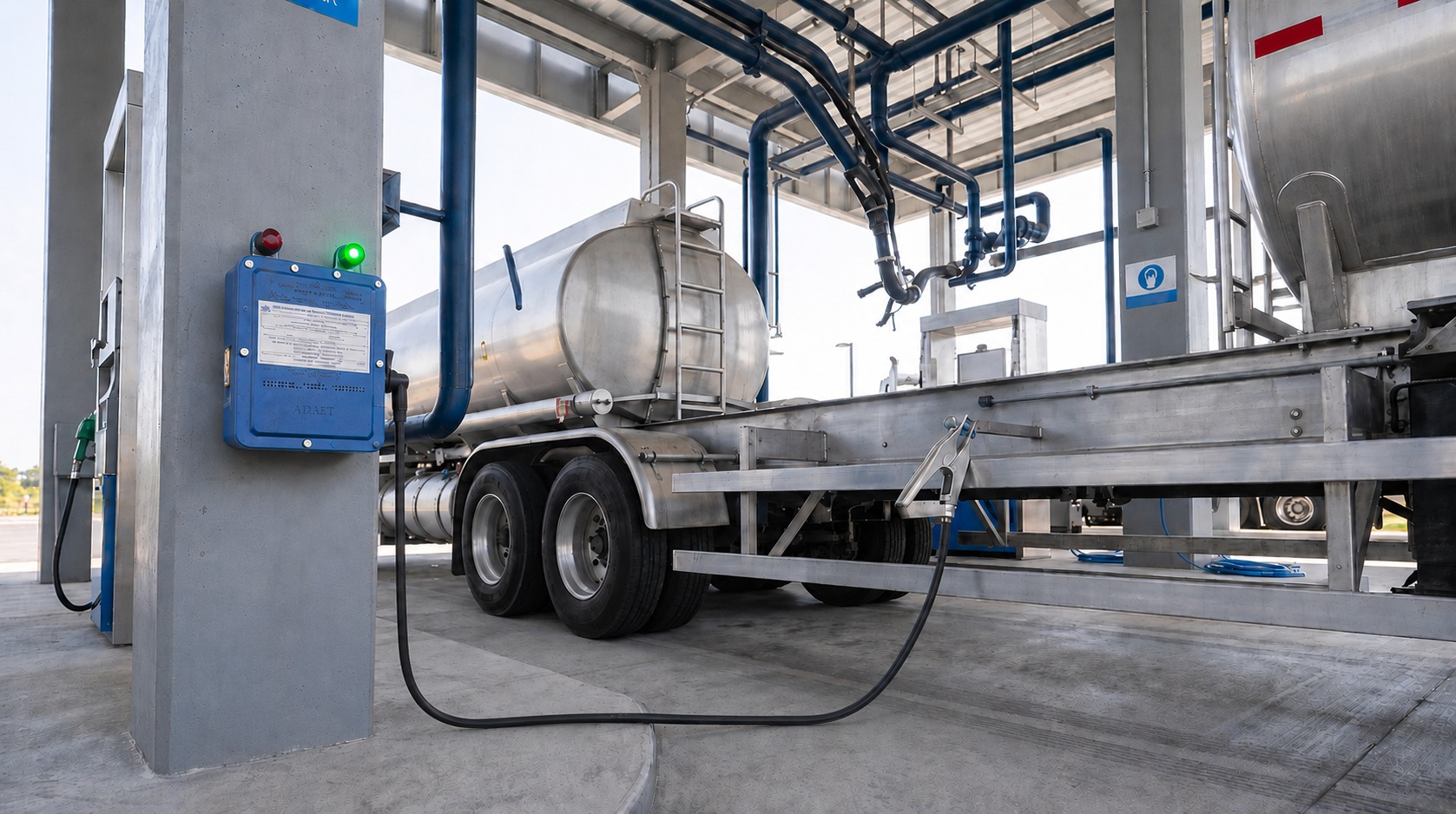
Static Ground Monitoring Systems for Flammable and Combustible Materials: How to Choose One That Won’t Fail Mid-Transfer
Static ground monitoring systems are the equipment that keeps a static spark from igniting flammable...
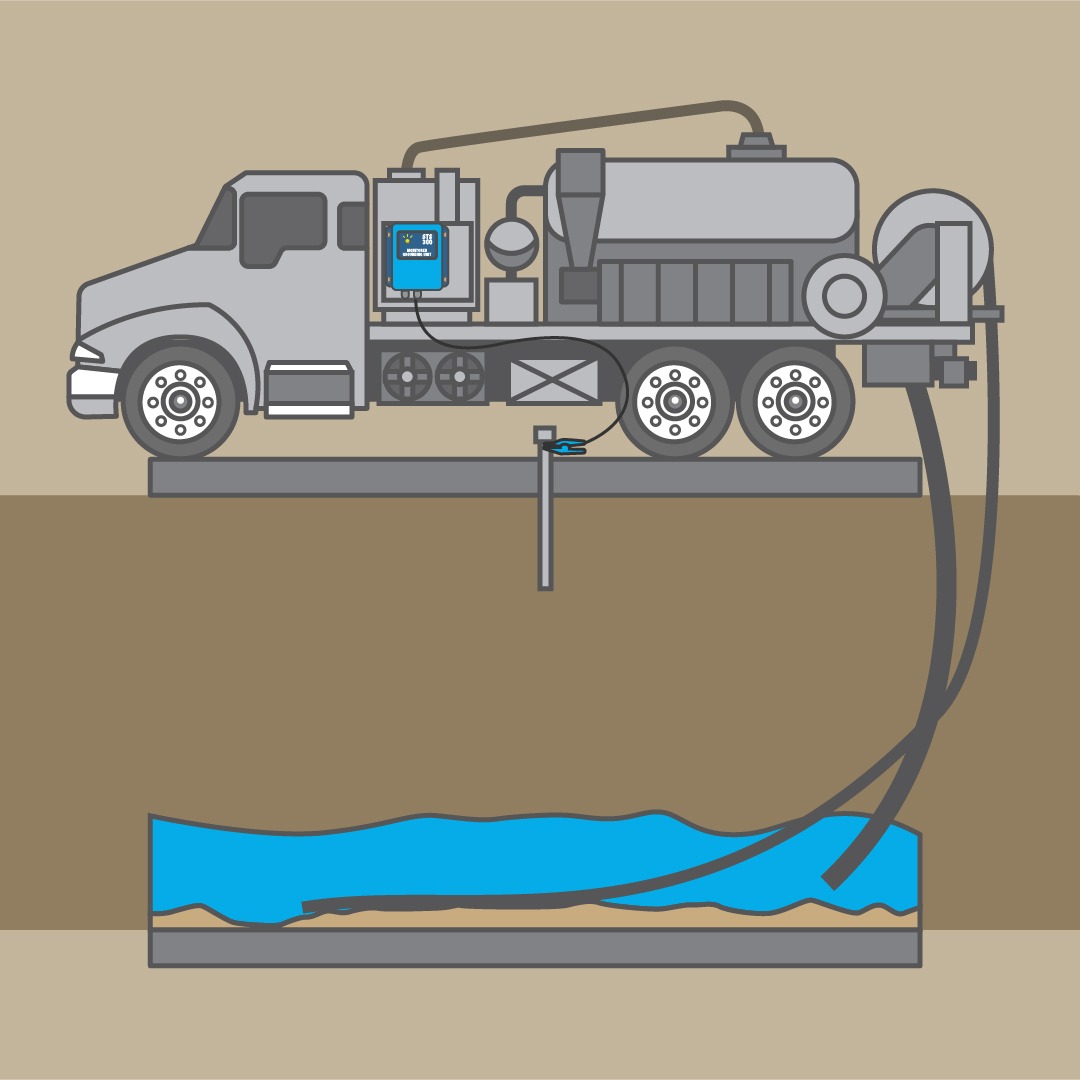
Static Electricity in Vacuum Truck Operations: Hazards, Regulations, and How to Protect Material Transfer Sites
Vacuum trucks collect flammable liquids, sludges, and chemical residues through high-velocity suction. This process generates...
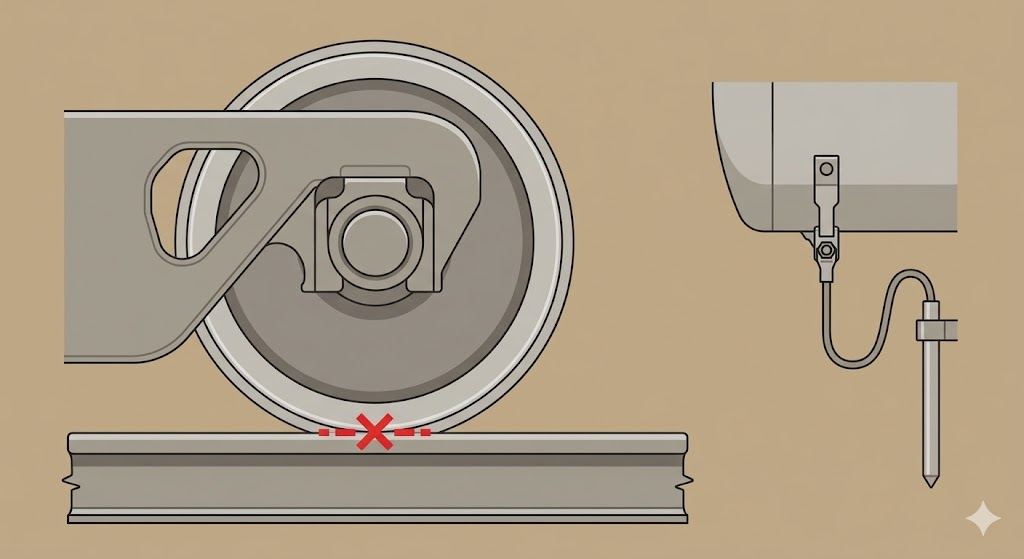
Static Electricity in Rail Car Loading: Hazards, Regulations, and How to Protect Fill Stations
Rail car loading operations move large volumes of flammable liquids every day. Crude oil, gasoline...
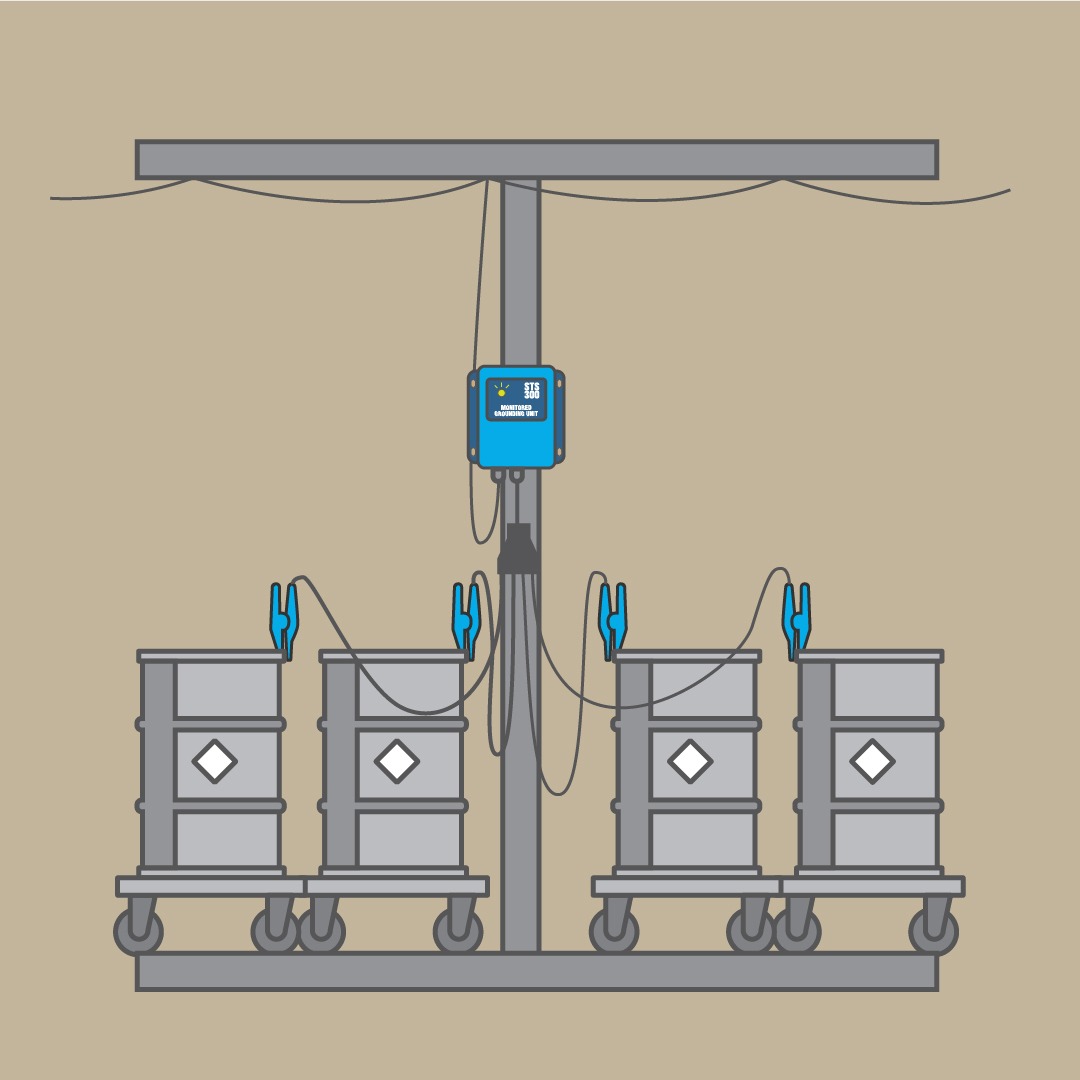
Static Electricity in Chemical Processing: Hazards, Regulations, and How to Control Them
Static electricity builds up during every liquid transfer, powder movement, and filling operation in a...
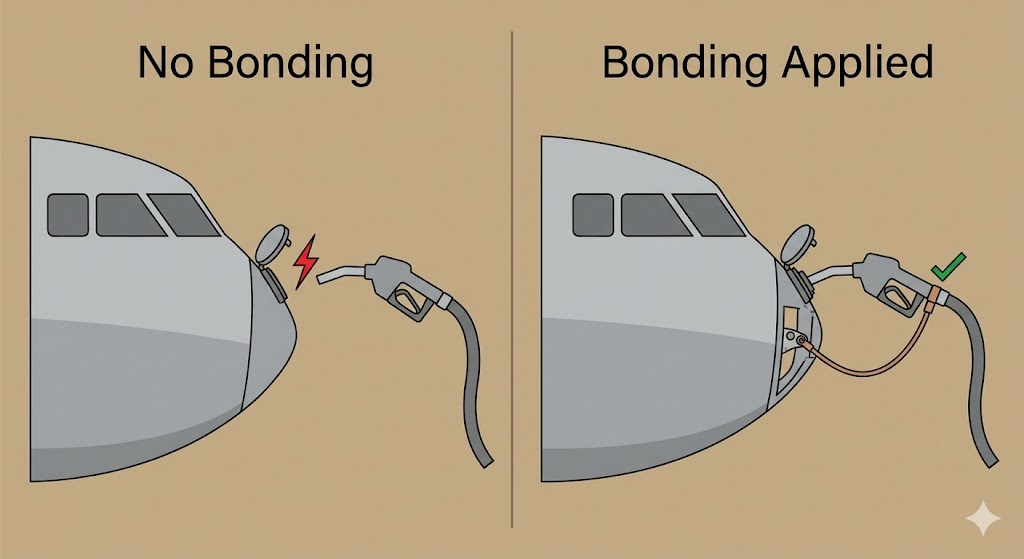
Static Electricity in Aviation Fueling: Hazards, Regulations, and How to Protect Fuel Fill Stations
NFPA 407 does not require earth grounding during aircraft refueling. It prohibits it. Section 5.4...
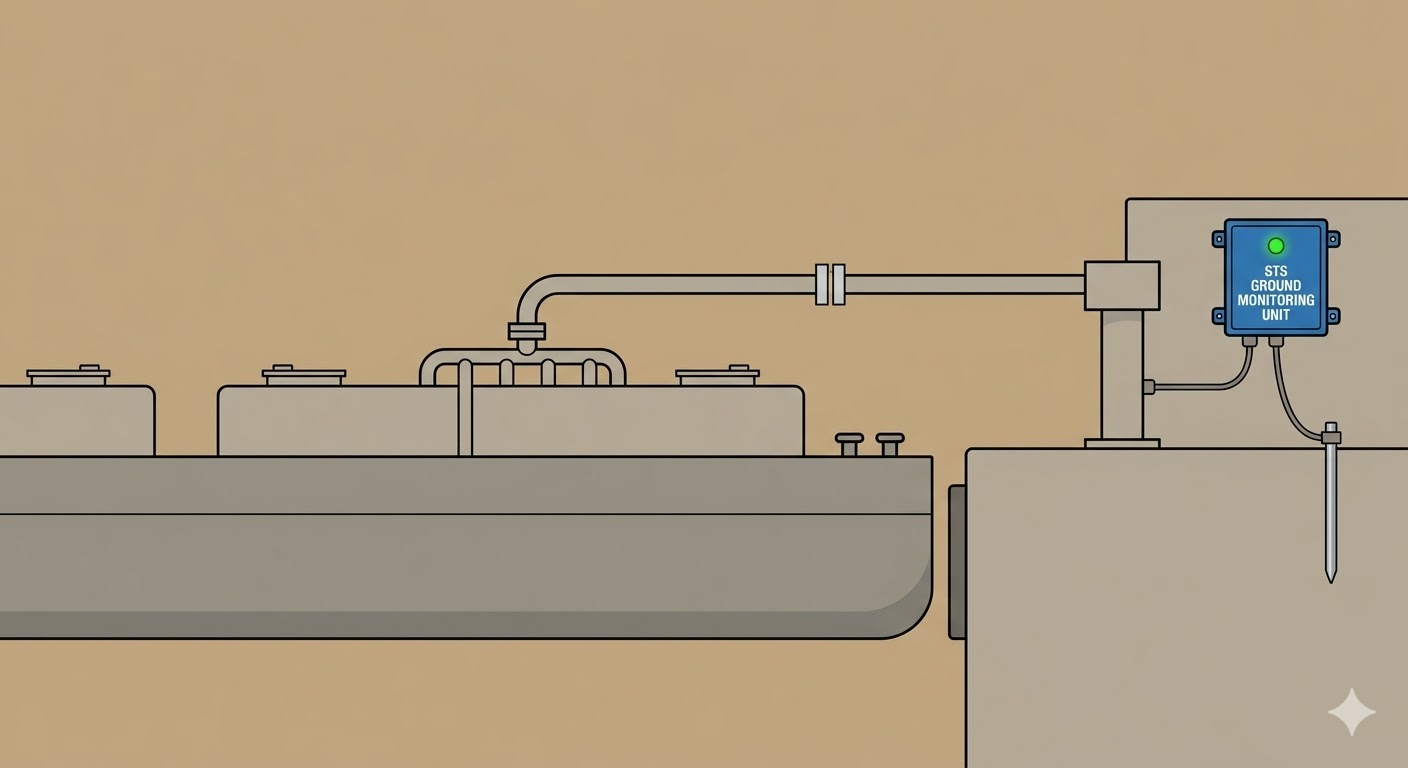
Static Electricity Hazards at Marine Terminals: What Every Terminal Operator Should Know
Most terminal operators reach for a bonding cable before cargo transfer begins. It seems like...
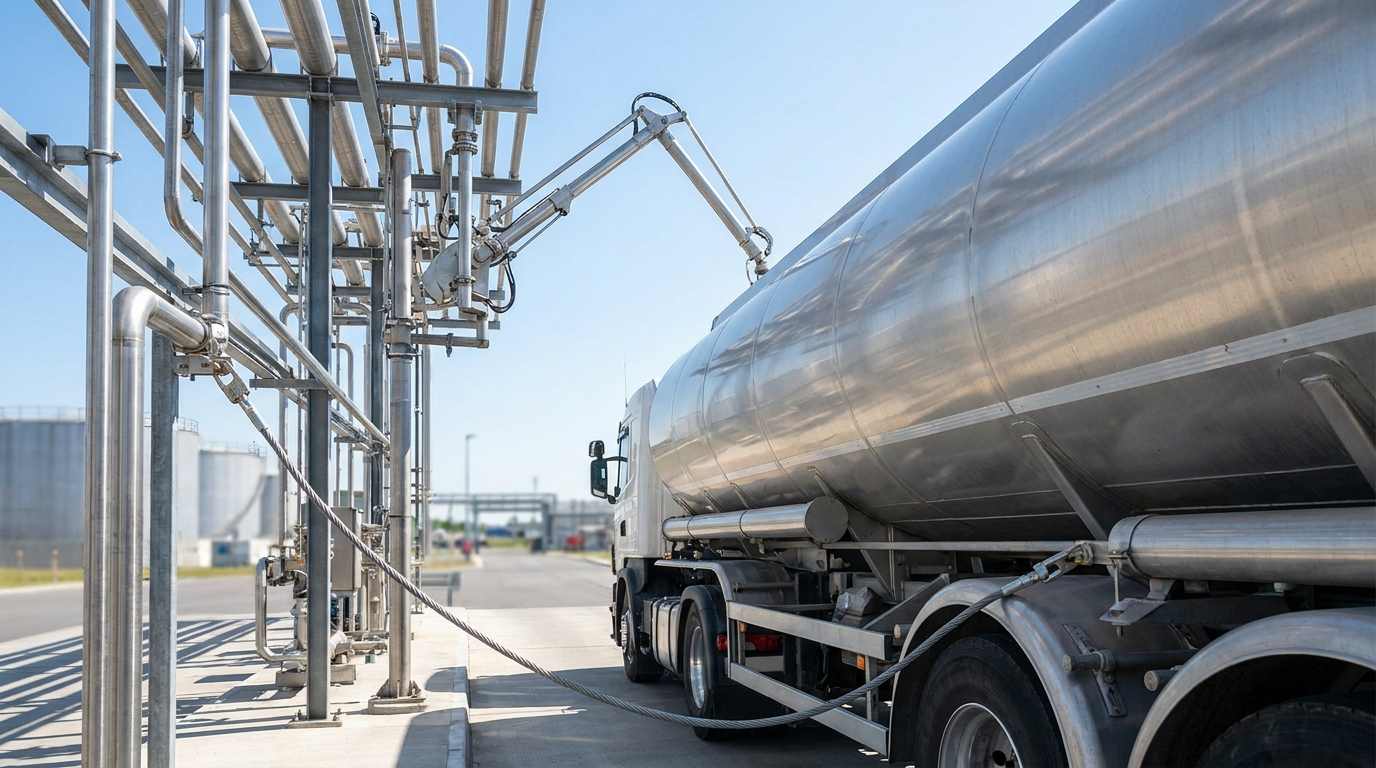
How to Ground a Tanker Truck for Loading and Unloading
To ground a tanker truck safely, connect a grounding clamp to clean bare metal on...
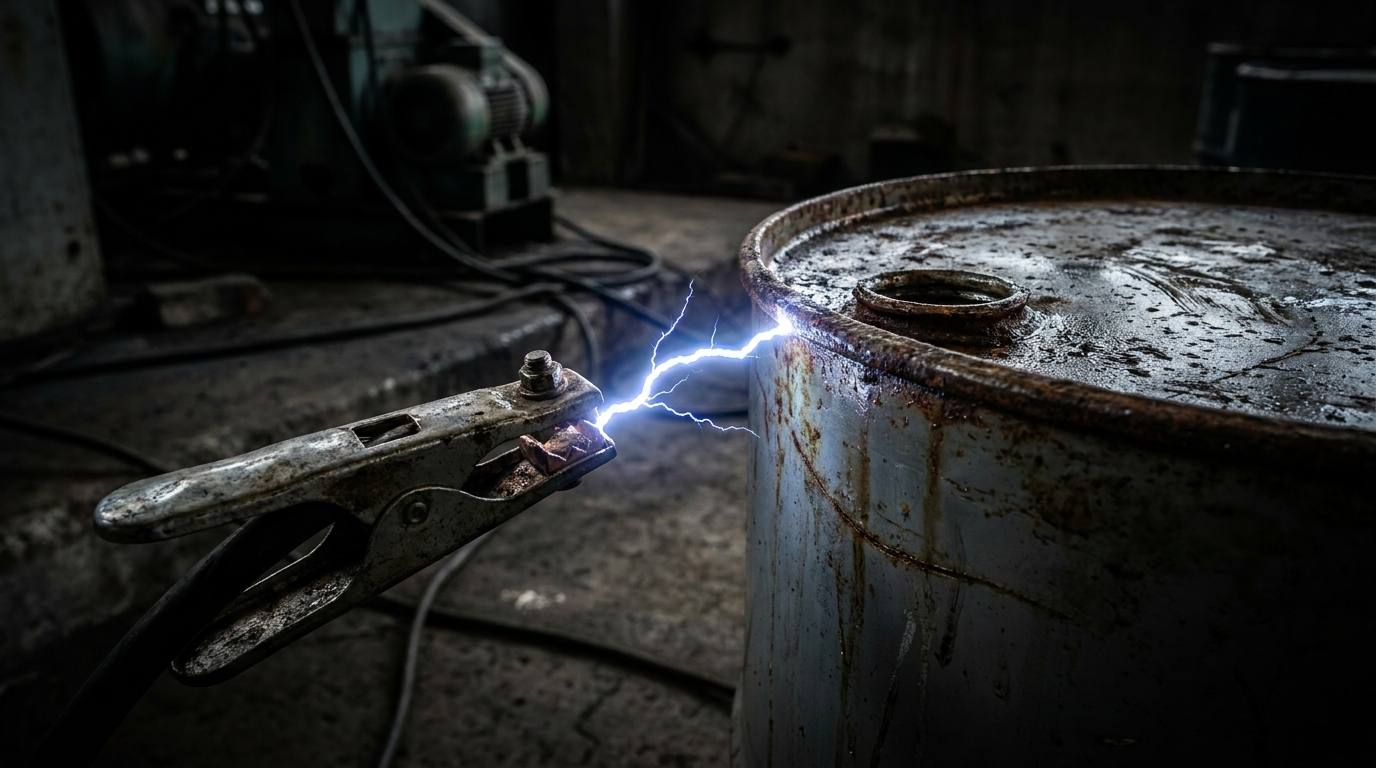
How Static Electricity Becomes an Ignition Source in Hazardous Locations
Static electricity becomes an ignition source through a four-step chain: charge is generated as liquid...
