

Static electricity behaves differently depending on what is being transferred, where, and into what. A rail car sitting on greased bearings cannot count on its wheels for a ground path. A vacuum truck works on rubber tires at sites with no grounding infrastructure at all. An aircraft being refueled must be bonded to the fuel truck, never earth-grounded, under NFPA 407. The standard that governs each operation changes with the industry, and so does the right equipment.
What stays constant is the requirement underneath: a verified, low-resistance path that holds for the entire transfer. NFPA 77, NFPA 407, API RP 2003, and API RP 2219 all come back to that same demand, and OSHA 1910.106 makes controlling static ignition sources a legal duty wherever Class I liquids are handled. Our guide to static grounding and bonding standards explains what each one requires in plain English.
The STS 300 ground monitoring system serves every industry below in the same way: it verifies the ground connection before transfer begins, watches it continuously, and interrupts the operation the moment the path fails. The differences are in the details, and each industry page covers them: the specific hazard, the governing standard, and the configuration that fits the site. If your operation spans more than one of these, request a quote and tell us what you transfer and where.
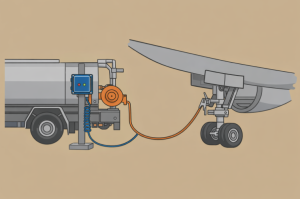
A jet fuel fill station needs verified static grounding at the loading rack: the refueler truck connects to an earth ground before…
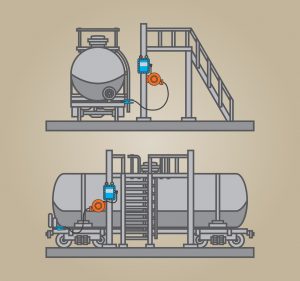
A rail car needs its own verified ground connection during loading. Steel wheels on steel rails do not provide one: rail joints,…
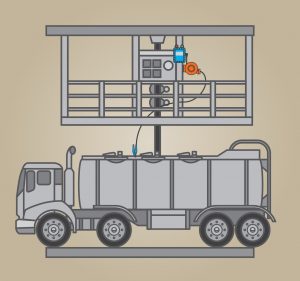
A vacuum truck needs a verified ground connection before suction begins, not just a clamp on the chassis. API RP 2219 and…
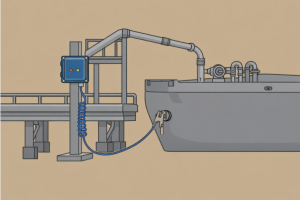
Marine tankers transport billions of gallons of petroleum, chemicals, and liquefied natural gas across the world each year. When these vessels dock…
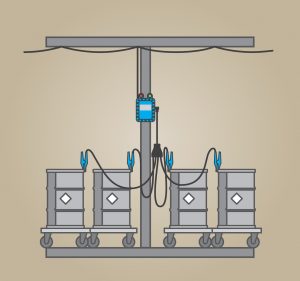
Oil rigs need every tank, pipe rack, separator and transfer point bonded to the platform structure, with the ground path verified before…
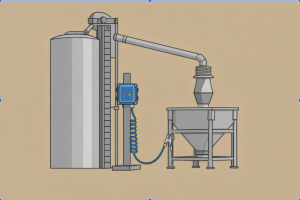
Grain elevators and powder plants need every conductive part of the dust-handling system bonded and grounded, with the connection verified wherever product…
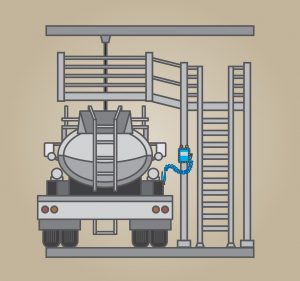
Oil and gas refineries process millions of barrels of crude oil into fuel every day. Many operations occur during a normal refinery…
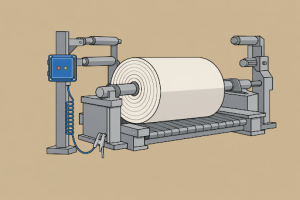
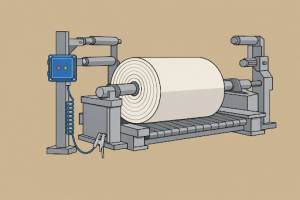
Paper mills need static grounding on the paper machine, winders, slitting and converting lines, and coating lines, where moving webs and paper…
Food and beverage plants need static grounding in two places: equipment that handles flour, sugar and starch dust, and transfer points for…
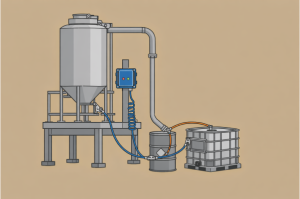
Chemical plants need verified static grounding wherever flammable liquids or combustible powders move: drum filling, reactor charging, tote transfer, and solvent handling…
