
Vacuum Truck Grounding Systems
Vacuum trucks and vacuum loading trucks remove flammable products from storage tanks, refineries, and drill wells every day around the world. Every material transfer creates static electricity that can ignite explosive atmospheres in seconds. Special Technical Services provides continuous ground monitoring systems that protect HazLoc operations at refineries, chemical plants, and remote field locations.
Static Grounding Solutions for Vacuum Truck Operations
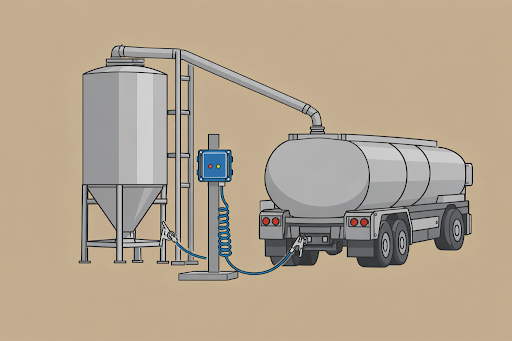
Vacuum truck operation is one of the highest-risk material transfer activities in the oil and gas industry. These loading trucks collect flammable liquids from tank cleaning jobs, spill recovery sites, and hydro excavation projects. The suction power that pulls liquids through corrugated hoses and smooth bore vacuum hose assemblies generates significant electrostatic charge accumulation on the truck chassis, hoses, and holding tank.
A single electrostatic discharge near flammable vapors can trigger explosion hazards that endanger workers and equipment. API Standard 2219 (Safe Operation of Vacuum Trucks) from the American Petroleum Institute requires verified grounding before starting any transfer. This standard sets the resistance threshold for ground connections at 10 ohms or less. NFPA 77 2024ed (Recommended Practice on Static Electricity) provides guidance for temporary grounding with portable verified earth rods at up to 1000 ohms resistance to earth. Proper static grounding meets requirements under the Occupational Safety and Health Act and supports any HSE policy.
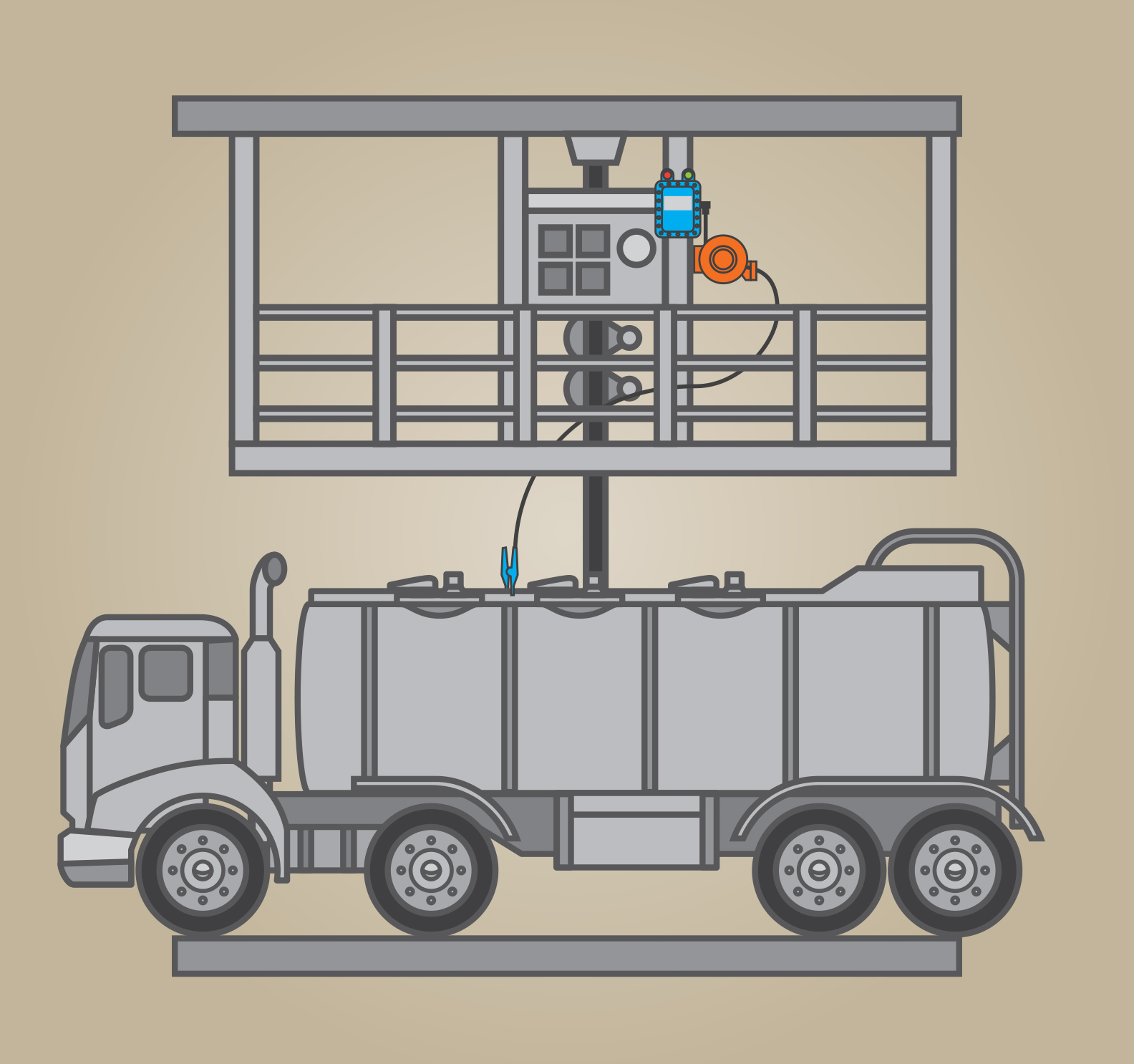
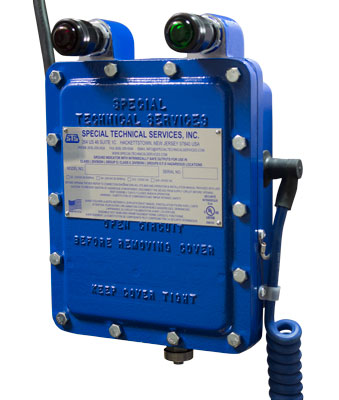
Special Technical Services delivers static grounding protection system equipment that meets these strict demands. Our STS 300 System provides continuous ground monitoring of the entire ground path throughout every transfer. The system mounts directly to the truck so ground detection systems are always on site. If the ground connection breaks or resistance exceeds safe levels, our systems trigger automatic equipment shutdown through pump interlocking controls. With over 50 years of experience and ISO 9001:2015 certified quality management, STS equipment protects operations at refineries, chemical facilities, and remote drilling locations across North America.
Static Electricity Risks in Vacuum Truck Operations
Tank trucks and road tankers face serious electrostatic hazards during the transfer of flammable products. Here are the specific risks your crews encounter.

High-Speed Suction Creates Static Charge Buildup
Remote Job Sites Lack Proper Grounding Points
Flammable Vapors Create Explosive Atmosphere Conditions
Rubber Tires Block Natural Charge Dissipation
Traditional Grounding Cables Provide No Warning
Multiple Connection Points Increase Risk
How Special Technical Services Protects Vacuum Truck Operations
The STS 300 System provides continuous verification that the ground path remains intact throughout material transfer. The moment a ground connection is interrupted or resistance exceeds safe thresholds, our systems trigger emergency shut-downs before electrostatic discharges can occur.
Unlike simple bonding cables that provide no feedback, STS ground monitoring systems verify that static electricity has a safe path to ground before, during, and after every transfer. Visual LED indications confirm grounded status to operators: green means safe, red means the ground path is broken. The system uses an intrinsically safe signal for monitoring in Division 1 hazardous locations. Dual interlocking dry contacts provide fail-safe permissive control that integrates with existing truck controls and remote controls for Pump Interlocking.
Recommended Products for Vacuum Truck Operations
These STS products are selected for applications where continuous ground monitoring and explosion-proof construction are required to protect against static buildup hazards..
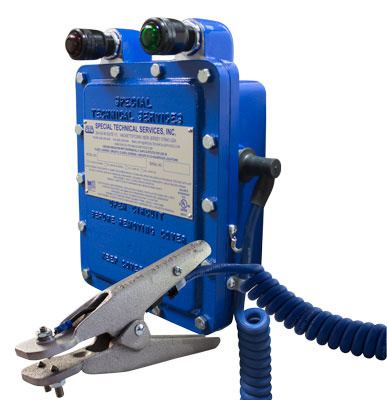
STS 300 Ground Monitoring System
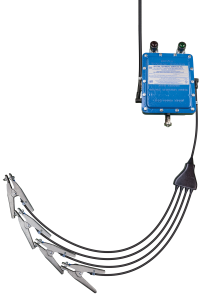
STS 300 Multipoint Grounding System

K78160A Grounding Clamp
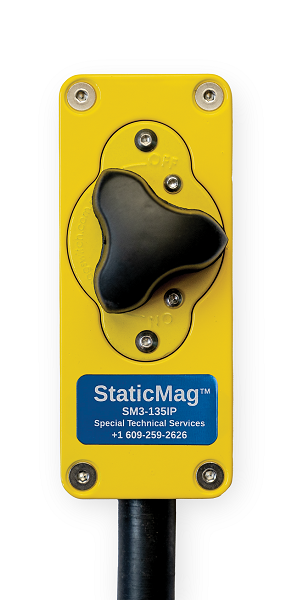
StaticMag™
Technical Specifications for Vacuum Truck Applications
All specifications comply with API Standard 2219 and NFPA 77 2024ed requirements.
| Specification | STS 300 Series | Industry Requirement |
|---|---|---|
| Equipment Rating | Class I, Div 1 Group D & Class II Div 1 Group E,F&G | Explosion-proof per NFPA 70 Class I, Division 1/2, Groups C, D |
| Ground Resistance Threshold | Less than 10 ohms | Not exceeding 10 ohms per API Standard 2219 |
| Power Options | 12V, 24V DC | Standard truck battery systems |
| Operating Temperature | -40°F to +130°F (-40°C to +550°C) | Outdoor field environments |
| Cable Length Options | 10 to 100+ feet | Varies by site layout |
| Response Time | Less than 1 second | Immediate shutdown required |
| Contact Rating | Dual dry contacts, 15A @ 120VAC | Integration with Pump Interlocking controls |
| Enclosure Material | Cast aluminum, powder coated | Corrosion resistant for outdoor use |
Built to Meet Vacuum Truck Safety Standards
API 2219
Standard for Safe Operation of Vacuum Trucks from the American Petroleum Institute. This standard covers grounding and bonding requirements, including the resistance threshold of 10 ohms or less for ground connections during material transfer.
NEMA 7/8/9 Rated
Explosion-proof enclosures for hazardous locations installation. These ratings apply to environments with flammable vapors and combustible gases, including Class I, Division 1 and Division 2 hazardous locations.
ISO 9001:2015 Certified
Quality management system certification for manufacturing.
Made in USA
100% American manufacturing in Budd Lake, New Jersey.
Additional Standards Referenced
NFPA 77 2024ed (Recommended Practice on Static Electricity); IEC 60079-32-1 (Explosive Atmospheres, Electrostatic Hazards, Guidance); OSHA 1910.269 and OSHA 29 CFR 1910.106; NFPA 70 (National Electrical Code) Class I, Division 1/2, Groups C and D. Applicable to operations involving oil majors and industrial facilities.
Common Questions About Vacuum Truck Grounding
Explore Other Industries We Serve
We provide static grounding solutions across many hazardous industries including petroleum refining, rail car operations, vacuum trucks, and grain processing.
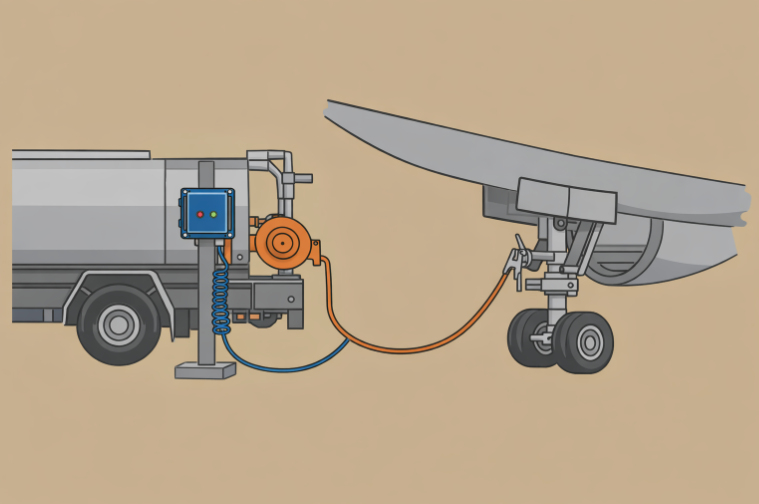
Jet Fuel Fill Station Grounding Systems
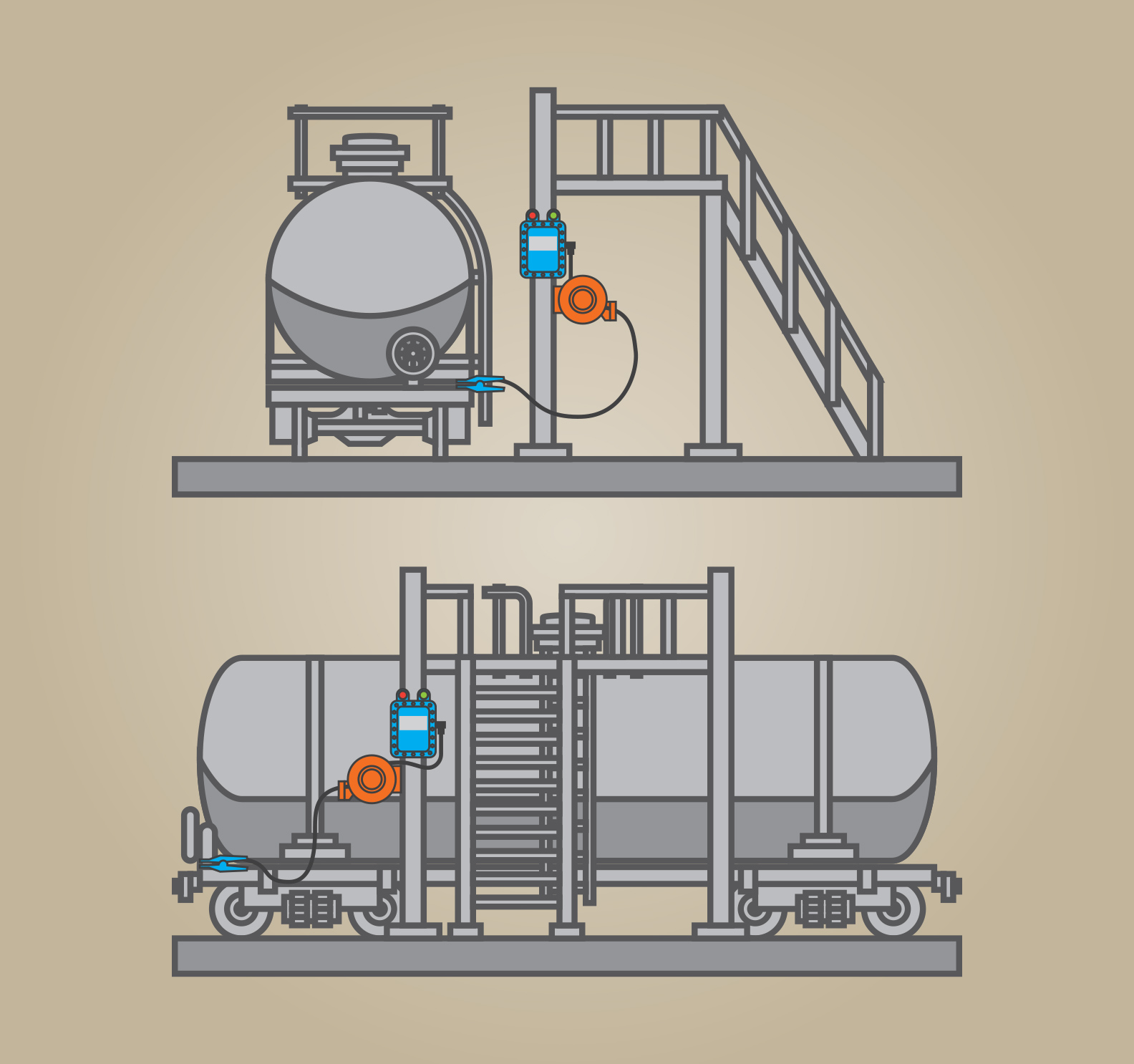
Rail Car Fill Station Static Grounding Systems
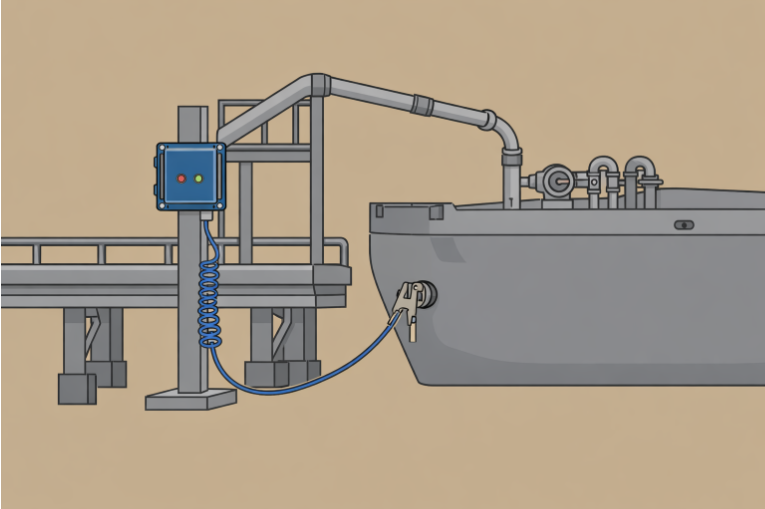
Marine Grounding Systems for Barge and Ship Operations
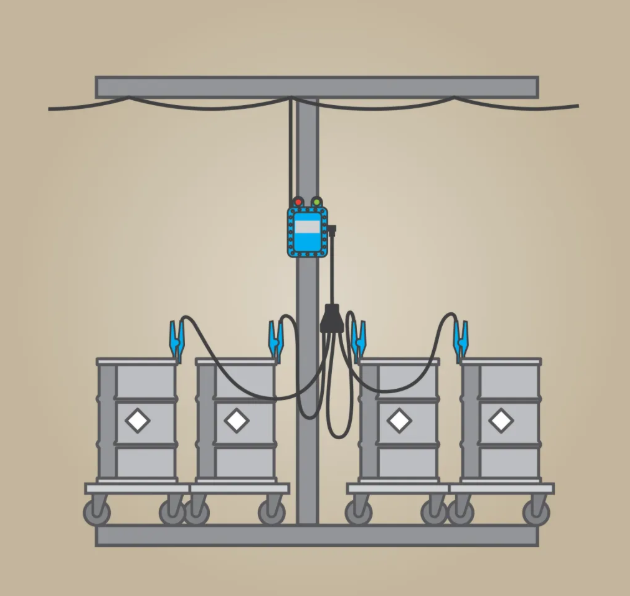
Oil Rig Grounding Systems
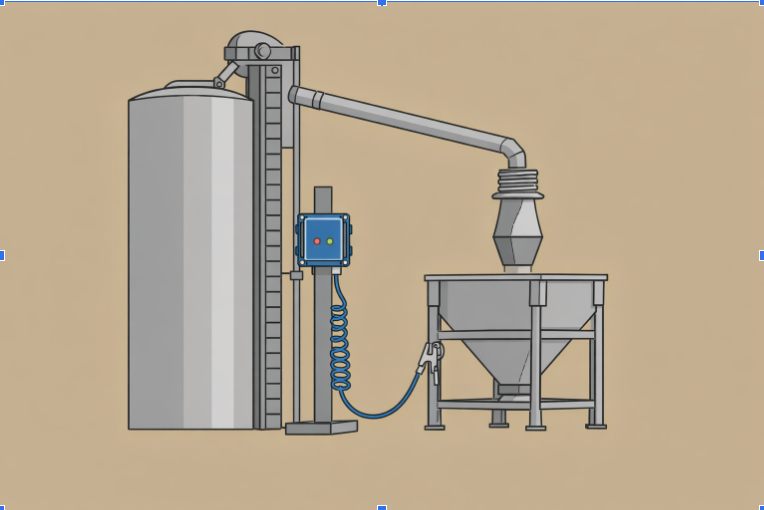
Grain & Powder Processing Static Grounding Systems
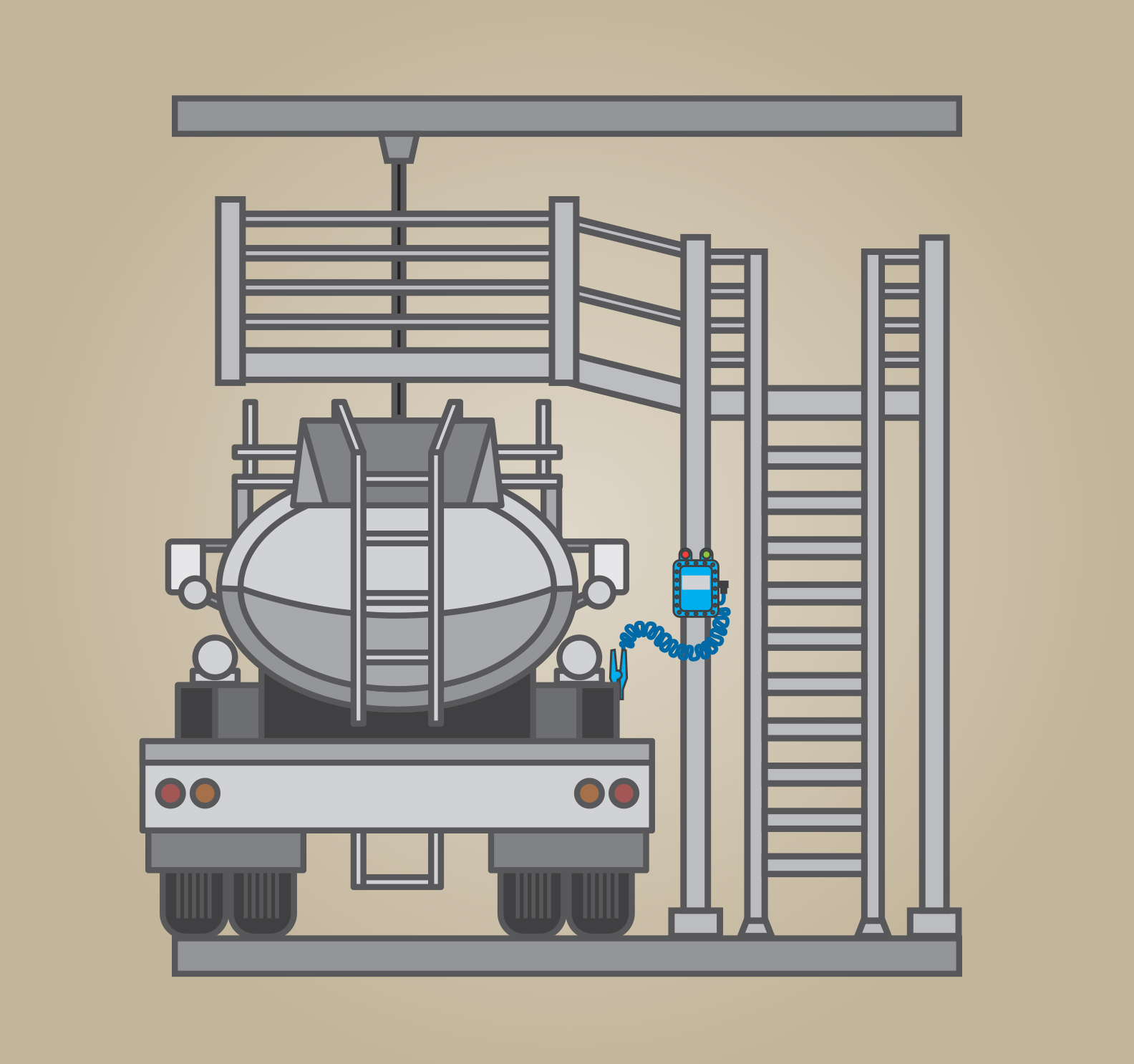
Petroleum Refinery Static Grounding Systems
Paper Manufacturing Static Grounding Systems
Food and Beverage Static Grounding Systems