
Oil Rig Grounding Systems

Drilling platforms handle crude oil and natural gas that create static charges every time they flow through pipes or into storage tanks. A single spark near flammable vapors can trigger a fire at vent stack locations or cause explosions on offshore platforms. Special Technical Services provides ground monitoring systems that protect drilling operations at onshore facilities, offshore oil rigs, and Floating Production Storage and Offloading Units worldwide.
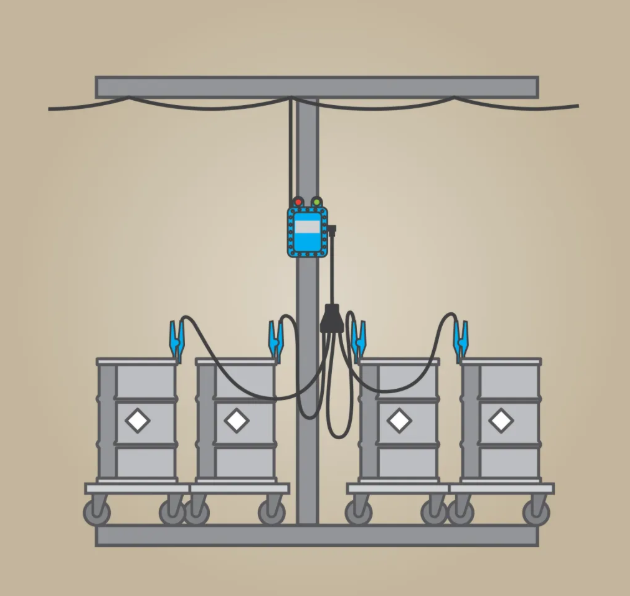
Hero Image
Home  /  Industries  /  Oil Rig Grounding Systems

Static Grounding Solutions for Oil Rig Operations

Drilling operations remove raw materials from underground reservoirs. These materials move through separators, pipes, and pumps before reaching temporary storage. The constant flow generates static electricity that builds up on metal surfaces. Offshore oil and gas platforms face additional risks from lightning strikes and the corrosive marine environment.

Storage tanks at drilling facilities need constant grounding protection because pumping operations occur throughout the day. This creates ongoing static buildup that can discharge as sparks near tank openings. API 2003 and NFPA 77 provide guidance on grounding protection for petroleum facilities. OSHA regulations under 29 CFR 1910 require proper earth ground connections in hazardous locations. IEC 61892-1 covers electrical systems for mobile and fixed offshore oil and gas production platforms.

Special Technical Services builds ground monitoring equipment for the harsh conditions at drilling sites. With over 50 years of experience and ISO 9001:2015 certified manufacturing in the USA, STS equipment serves drilling platforms across multiple continents.

Quick Facts: Oil Rig Safety

Static sparks can ignite hydrocarbon vapors at very low energy levels
API 2003 and NFPA 77 specify 10 ohms as the monitoring threshold for static protection
STS provides real-time ground path verification during all pumping operations
NEMA 7/8/9 explosion-proof enclosures meet Class I, Division 1 and 2 requirements

Static Electricity Hazards at Drilling Facilities

Oil and gas production units face unique static electricity challenges that require specialized grounding solutions.

Default Icon

Pumping Operations Create Ongoing Risk

Petroleum products move through pipes and into storage tanks around the clock. This constant movement generates static charges on metal surfaces. Without verified grounding, these charges can discharge near tank openings. Insulation faults in electrical systems can make this problem worse. Ground voltage readings should be checked regularly to verify safe conditions.
Default Icon

Flammable Vapors Fill the Work Area

Crude oil releases hydrocarbon vapors at normal temperatures. Crude oil vapor and methane are common gases at drilling sites. These vapors create explosive atmospheres near storage tanks, wellheads, and separators. Electrical cabinets and electrical appliances in these areas must meet hazardous location ratings. Ground-fault monitoring helps detect problems before they become dangerous.
Default Icon

Remote and Offshore Locations Create Grounding Challenges

Many drilling sites sit in deserts, swamps, or offshore waters where ground resistivity makes earth grounding difficult. An offshore oil rig uses the steel structure as a ground reference instead of soil. Offshore wind farms face similar challenges with earth ground connections. Electrolytic grounding and stainless steel modular grounding systems help maintain reliable connections in these environments.
Default Icon

Multiple Equipment Requires Proper Bonding

Oil rigs have many separate metal components. Storage tanks, pipe racks, separators, pumps, ballast tanks, and mooring and riser systems all need proper bonding. Each piece of equipment requires connections that prevent voltage differences between phase to ground and neutral to ground points. Without bonding, workers can receive shocks when touching different metal surfaces.
Default Icon

Corrosion Degrades Connections Over Time

Marine environments cause rapid corrosion of grounding connections. Offshore platforms need corrosion protection through sacrificial anodes, ICCP systems, and protective coatings. Sea chests and hull protection require ICCP control cabinets with reference cells. NORSOK M-503 provides standards for cathodic protection on offshore structures. Earthing cables must resist saltwater damage to maintain low resistance.

How Special Technical Services Protects Drilling Operations

The STS 300 Series monitors the ground path throughout drilling and transfer operations. The system verifies that static charges have a safe path to earth before pumping begins. If the connection breaks at any point, the system signals the problem and can shut down equipment automatically.

Unlike manual grounding cables that provide no feedback, STS static monitoring systems verify ground integrity before, during, and after every transfer. Visual indicator lamps show grounding status at all times. Green indicates a verified connection. Red warns that the ground path is broken. Dual interlocking dry contacts integrate with existing process controls This permissive control prevents operations from starting without proper grounding.
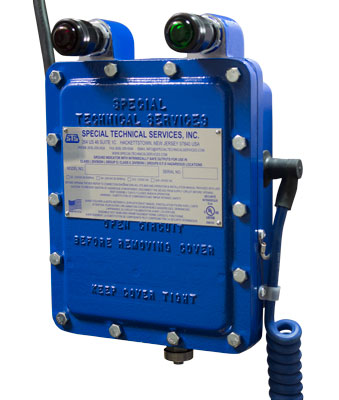
Ground path monitoring during all pumping operations
Automatic equipment shutdown when ground is interrupted
NEMA 7, 8, and 9 explosion-proof enclosures for hazardous locations
Dual interlocking dry contacts for permissive control integration
Visual status confirmation via indicator lamps
Multiple power options: 12VDC, 24VDC, 120VAC, 240VAC
Cable lengths from 10 to 100+ feet for various tank configurations

Recommended Products for Drilling Facilities

These STS products are selected for oil rig applications where ground monitoring and explosion-proof construction are required to protect against static buildup hazards..
Ground Monitoring System

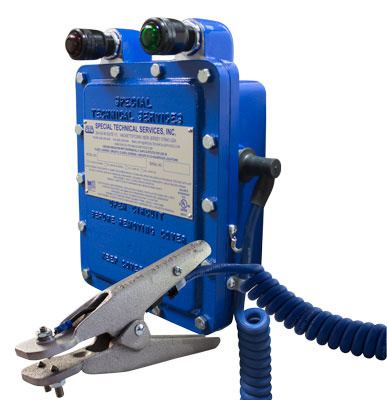
STS 300 Ground Monitoring System

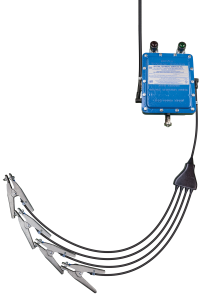
The STS 300 provides continuous ground path monitoring with automatic shutdown capability. It verifies ground resistance stays below 10 ohms and gives clear visual status indication throughout operations. The system uses dual dry contacts for integration with pumps, valves, and PLCs.
Ground Monitoring System

STS 300 Multipoint Grounding System
The multipoint version monitors multiple ground connections from a single control unit. This configuration works well for facilities with several industry-specific equipment, [e.g., "loading positions," "processing stations," "fill points"] that need simultaneous ground verification.
Grounding Clamps

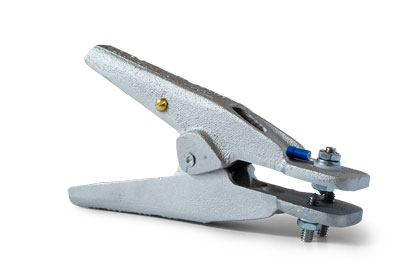
K78160A Grounding Clamp

Heavy-duty aluminum grounding clamp designed for secure attachment to tanks, containers, and process equipment. Sharp contact points penetrate paint, rust, and product buildup for reliable metal-to-metal contact.
Magnetic Grounding

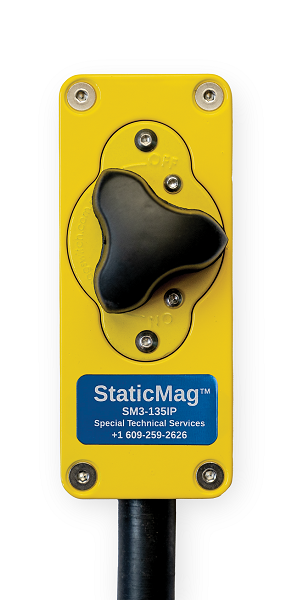
StaticMag™

Quick-attach magnetic grounding device with strong neodymium magnets for fast connection to ferrous metal surfaces. Ideal for curved surfaces like storage drums and cylindrical equipment where traditional clamps cannot grip securely.

Technical Specifications for Oil Rig Applications

All specifications comply with API standards and petroleum industry requirements for electrical systems at drilling facilities.

Specification STS 300 Series Oil Industry Requirement
Equipment Rating Class I, Div 1 Group D & Class II Div 1 Group E,F&G Explosion-proof per NFPA 70 Class I, Division 1/2
Ground Resistance Threshold Less than 10 ohms Per NFPA 77 recommendations
Power Options 12VDC, 24VDC, 120VAC, 240VAC Varies by installation
Operating Temperature -40°F to +130°F (-40°C to +55°C) Offshore and onshore environments
Cable Length Options 10 to 100+ feet Based on tank configuration
Response Time Less than 1 second Immediate shutdown required
Contact Rating Dual dry contacts, 15A @ 120VAC Integration with process controls
Enclosure Material Cast aluminum, powder coated Corrosion resistant for marine use

Built to Meet Oil and Gas Industry Standards

NEMA 7/8/9 Rated

Explosion-proof enclosures for hazardous locations classified under API 500. These ratings apply to environments with combustible gases found on drilling platforms.

API 2003

Protection against ignitions from static, lightning, and stray currents at petroleum facilities. This standard covers grounding of overhead lines bases and storage tank connections.

ISO 9001:2015 Certified

Quality management system certification for manufacturing. Every product meets documented quality standards.

Made in USA

100% American manufacturing in Budd Lake, New Jersey. Our facility maintains full control over production quality.

Additional Standards Referenced

API 500, API 505, NFPA 77, NFPA 70 (National Electrical Code), OSHA 29 CFR 1910, IEC 61892-1 for offshore electrical installations.

Common Questions About Oil Rig Grounding

Visual inspections of grounding cables and clamps should occur daily during active operations. Resistance testing with an ohmmeter should happen weekly or before any tank entry. Voltage reading measurements verify that proper grounding exists before operations begin. The STS 300 provides real-time verification, reducing the need for manual checks and catching problems immediately.
The STS 300 system detects ground path interruption within one second. The system can shut down pumping equipment through its dry contact outputs. Visual indicators change from green to red. This automatic response prevents continued operations with a broken ground connection, protecting workers and equipment from static discharge incidents.
Yes. STS ground monitoring systems integrate with various safety equipment. The dual dry contacts connect to programmable logic controllers, and other process control devices and SCADA systems.
STS products are built for demanding environments. The cast aluminum housings resist corrosion from saltwater, chemicals, and weather exposure. Operating temperatures range from -40°F to +140°F, covering arctic drilling operations to tropical offshore platforms. The powder-coated finish provides additional protection. Front-end engineering and design consultations help match equipment to specific site conditions.
STS systems require less maintenance than traditional grounding cables because they monitor themselves continuously. Periodic visual inspection of cables and clamps confirms physical condition. The monitoring display shows ground path status at all times, so there is no need for manual resistance checks during normal operation. Clamp contact points should be cleaned if resistance readings increase. Replace cables that show wear or damage to maintain system integrity.

Explore Other Industries We Serve

We provide static grounding solutions across many hazardous industries including petroleum refining, rail car operations, vacuum trucks, and grain processing.
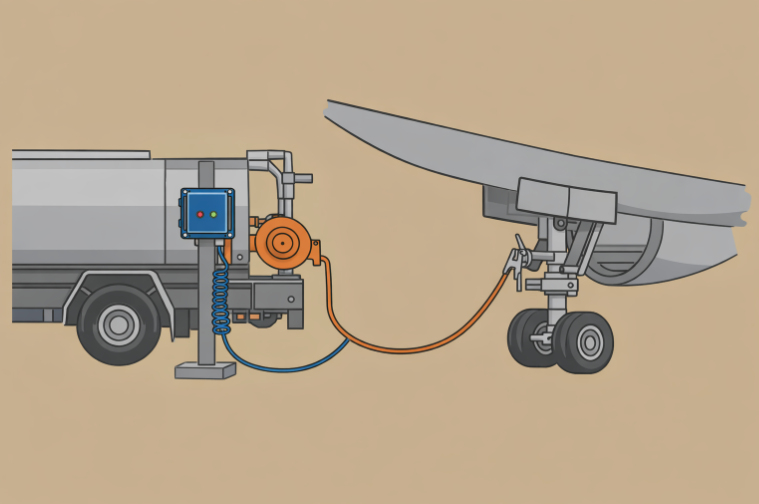
Jet Fuel Fill Station Grounding Systems
(STS) Special Technical Services- Rail Car Fill Stations Graphic

Rail Car Fill Station Static Grounding Systems
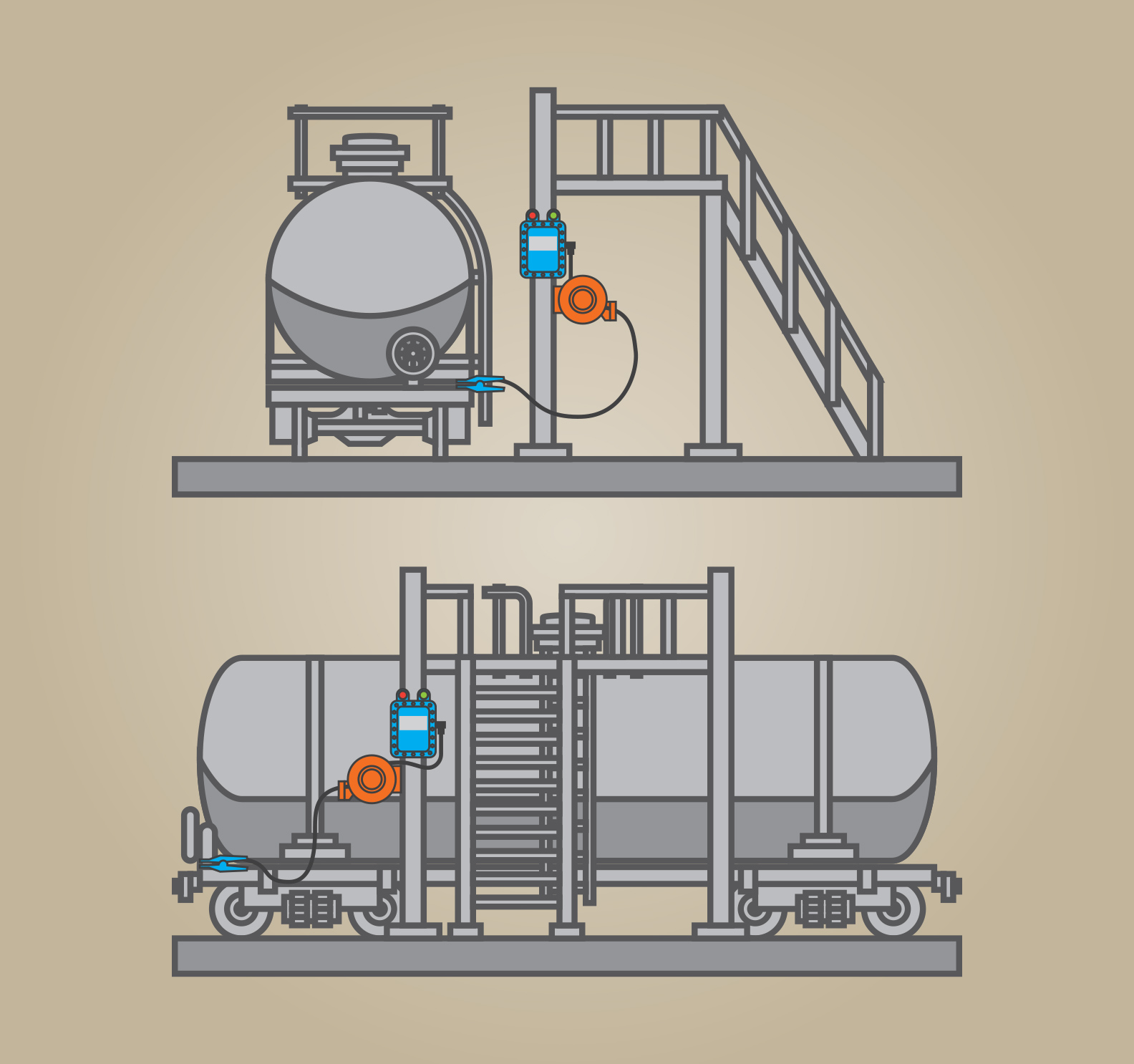
(STS) Special Technical Services - Petroleum Refining Graphic

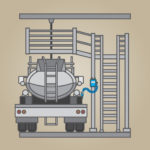
Vacuum Truck Grounding Systems

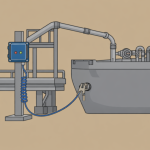
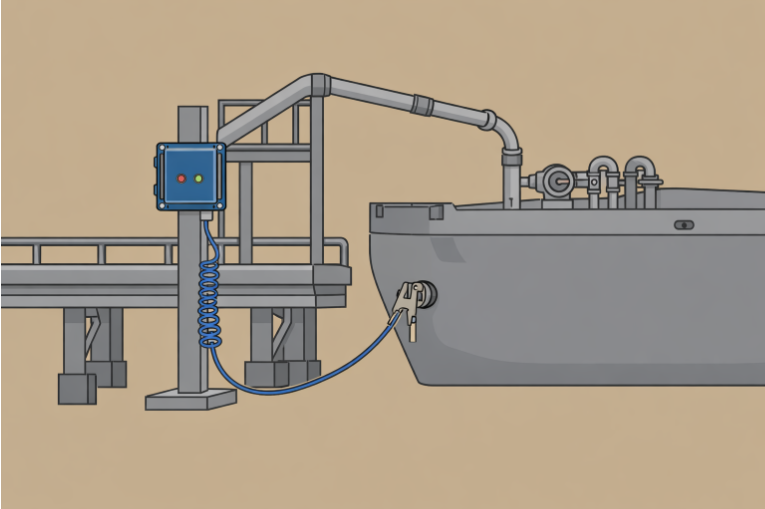
Marine Grounding Systems for Barge and Ship Operations
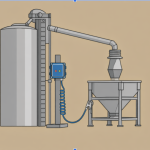
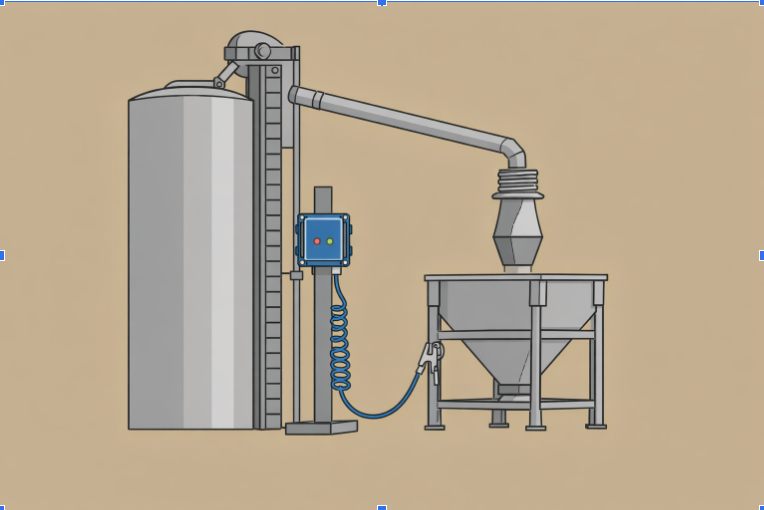
Grain & Powder Processing Static Grounding Systems
(STS) Special Technical Services - Batch Processing Graphic

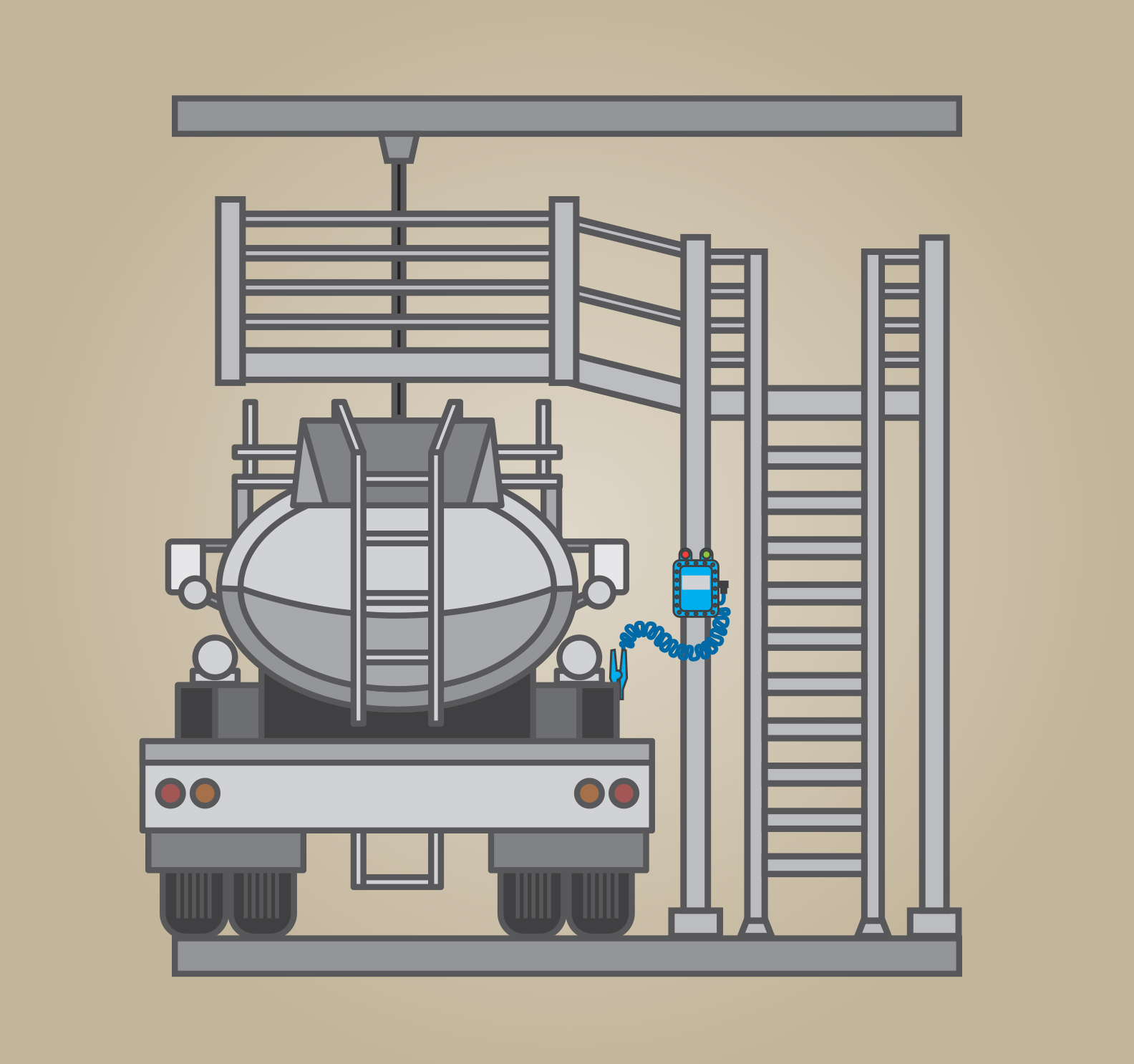
Petroleum Refinery Static Grounding Systems
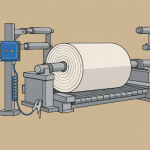
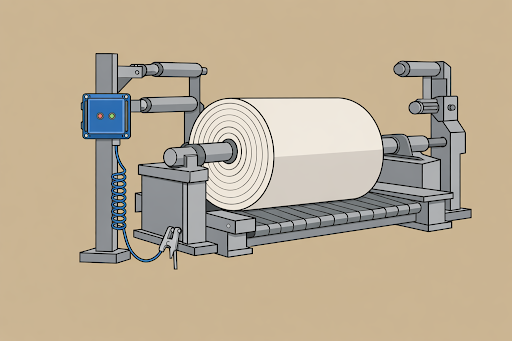
Paper Manufacturing Static Grounding Systems
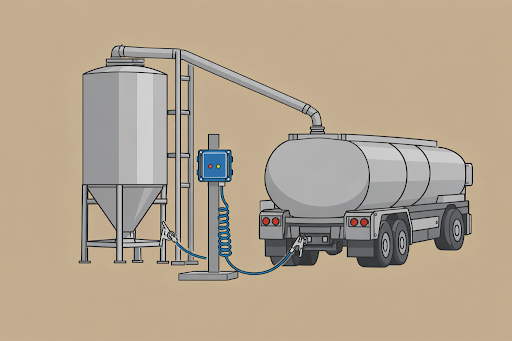
Food and Beverage Static Grounding Systems
Chemical Processing Static Grounding Systems

Ready to Protect Your Chemical Processing Operations?

Contact Special Technical Services for expert guidance on static grounding solutions built for chemical processing facilities. Our team can help you select the right ground monitoring system for your application.