
Ship-to-Shore Static Grounding Systems for Marine Terminals
Marine tankers transport billions of gallons of petroleum, chemicals, and liquefied natural gas across the world each year. When these vessels dock at terminals, an electrical potential difference forms between ship hulls and the pier. This creates a risk of electrical faults and static discharge that can ignite flammable vapors. Special Technical Services provides continuous ground monitoring systems that protect marine terminal operations at ports and loading facilities worldwide.
Static Grounding Solutions for Marine Terminal Operations
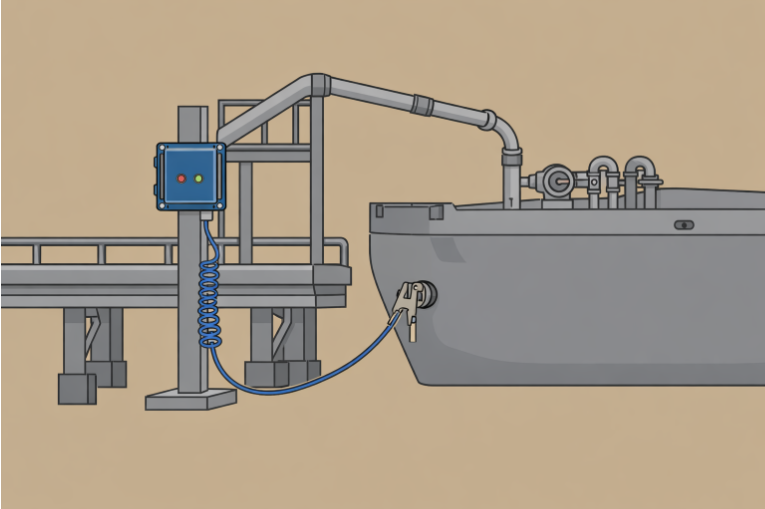
Marine cargo transfer is among the most demanding applications for grounding systems in the marine industry. Crude oil tankers, chemical carriers, LNG ships, and barges all require proper ground connections before any loading or unloading begins. When fuel and chemicals flow through transfer hoses and pipelines, friction generates static electricity. These charges can accumulate on isolated metal components and create spark hazards near tank openings.
A spark during cargo transfer can ignite flammable vapors near manifold connections. The marine environment presents unique challenges for electrical safety. The International Safety Guide for Oil Tankers and Terminals (ISGOTT) requires verified electrical continuity and proper bonding at every marine terminal.
Special Technical Services delivers ground monitoring equipment that meets the strict demands of marine terminal operations. With over 50 years of experience and ISO 9001:2015 certified quality management, STS equipment protects operations at petroleum terminals, chemical facilities, and LNG loading berths around the world.
Electrical Hazards in Marine Loading Operations
Marine cargo transfer presents unique electrical hazards that require specialized grounding solutions. Marine technicians and terminal operators must understand these risks to select the right equipment.

Multiple Electrical Hazards Exist at Marine Terminals
Loading Arms and Hose Connections Create Spark Risks
Flammable Atmospheres at Marine Terminals
Static Electricity During Cargo Flow
Shore Power and Cold Ironing Add Complexity
Corrosion Degrades Ground Connections Over Time
How Special Technical Services Protects Marine Terminal Operations
The STS 300 System provides continuous verification that the ground path remains intact during cargo transfer. The moment a ground connection is interrupted or resistance exceeds safe thresholds, our systems automatically signal the fault and shut down transfer equipment before a static discharge incident occurs.
Unlike simple bonding cables that provide no feedback, STS ground monitoring systems verify that electrical current has a safe path throughout every operation. Visual indicator lamps confirm grounded status to operators: green means grounded and safe, red means the ground path is broken. Dual interlocking dry contacts provide fail-safe permissive control that integrates with terminal control systems and emergency shutdown devices.
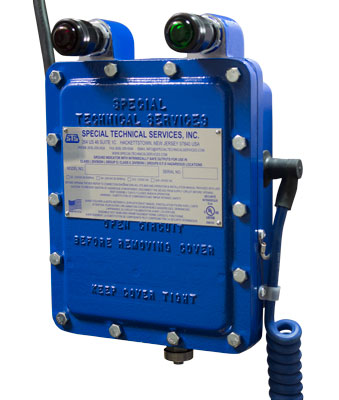
Recommended Products for Marine Terminal Operations
These STS products are selected for marine applications where continuous ground monitoring, corrosion-resistant materials, and explosion-proof construction are required to protect against static buildup hazards..
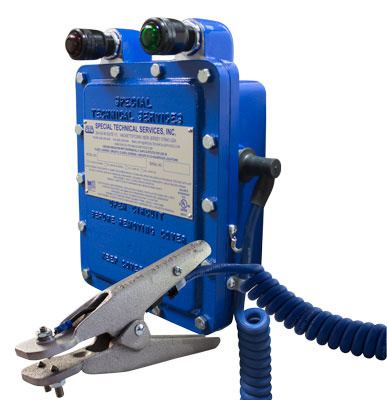
STS 300 Ground Monitoring System
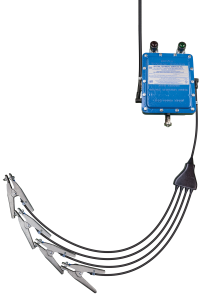
STS 300 Multipoint Grounding System

K78160A Grounding Clamp
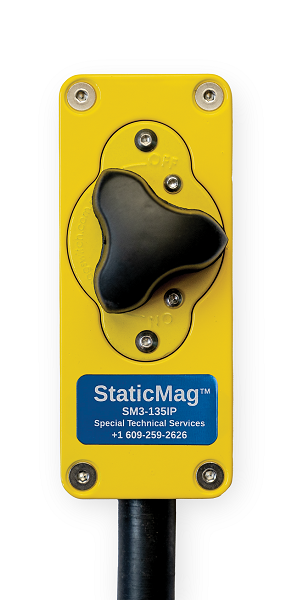
StaticMag™
Technical Specifications for Marine Terminal Applications
All specifications comply with ISGOTT and related marine industry standards.
| Specification | STS 300 Series | Marine Industry Requirement |
|---|---|---|
| Equipment Rating | Class I, Div 1 Group D & Class II Div 1 Group E,F&G | Explosion-proof for Zone 1 hazardous areas |
| Ground Resistance Threshold | Less than 10 ohms | Verified continuity per ISGOTT |
| Power Options | 12VDC, 24VDC, 120VAC, 240VAC | Varies by terminal installation |
| Operating Temperature | -40°F to +130°F (-40°C to +55°C) | Marine and coastal environments |
| Cable Length Options | 10 to 100+ feet | Pier-to-ship distances vary by berth |
| Response Time | Less than 1 second | Immediate shutdown required |
| Contact Rating | Dual dry contacts, 15A @ 120VAC | Integration with terminal control systems |
| Enclosure Material | Cast aluminum, powder coated | Corrosion resistant for salt air exposure |
Built to Meet Marine Industry Standards
ISGOTT
International Safety Guide for Oil Tankers and Terminals requirements for grounding and bonding at marine facilities. This guide covers the ship-shore interface, cargo transfer procedures, and electrical safety.
NEMA 7/8/9 Rated
Explosion-proof enclosures for hazardous location installation. These ratings apply to marine terminal areas where flammable vapors may be present.
ISO 9001:2015 Certified
Quality management system certification for manufacturing.
Made in USA
100% American manufacturing in Budd Lake, New Jersey.
Additional Standards Referenced
ISGOTT 6th Edition; OCIMF Guidelines; SOLAS Regulations; IEC 60092-502 for marine electrical systems; API RP 2003; ABYC standards for American Boat & Yacht Council applications; IEEE Standards Association guidelines for power and energy innovation.
Common Questions About Marine Terminal Grounding
Explore Other Industries We Serve
We provide static grounding solutions across many hazardous industries including petroleum refining, rail car operations, vacuum trucks, and grain processing.
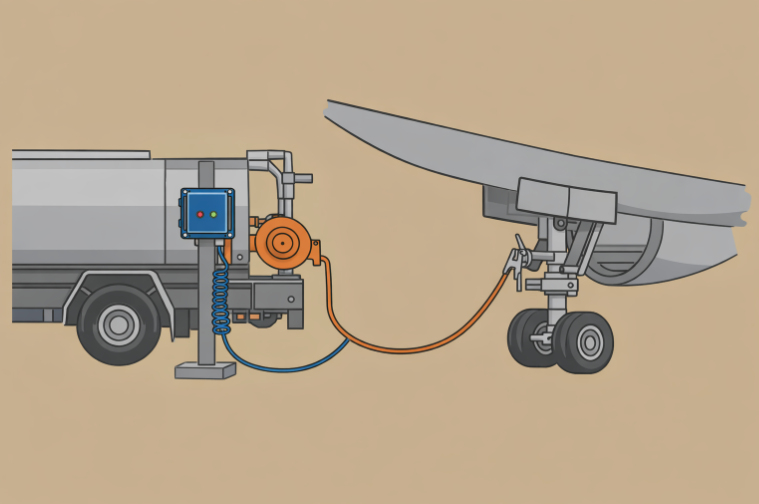
Jet Fuel Fill Station Grounding Systems
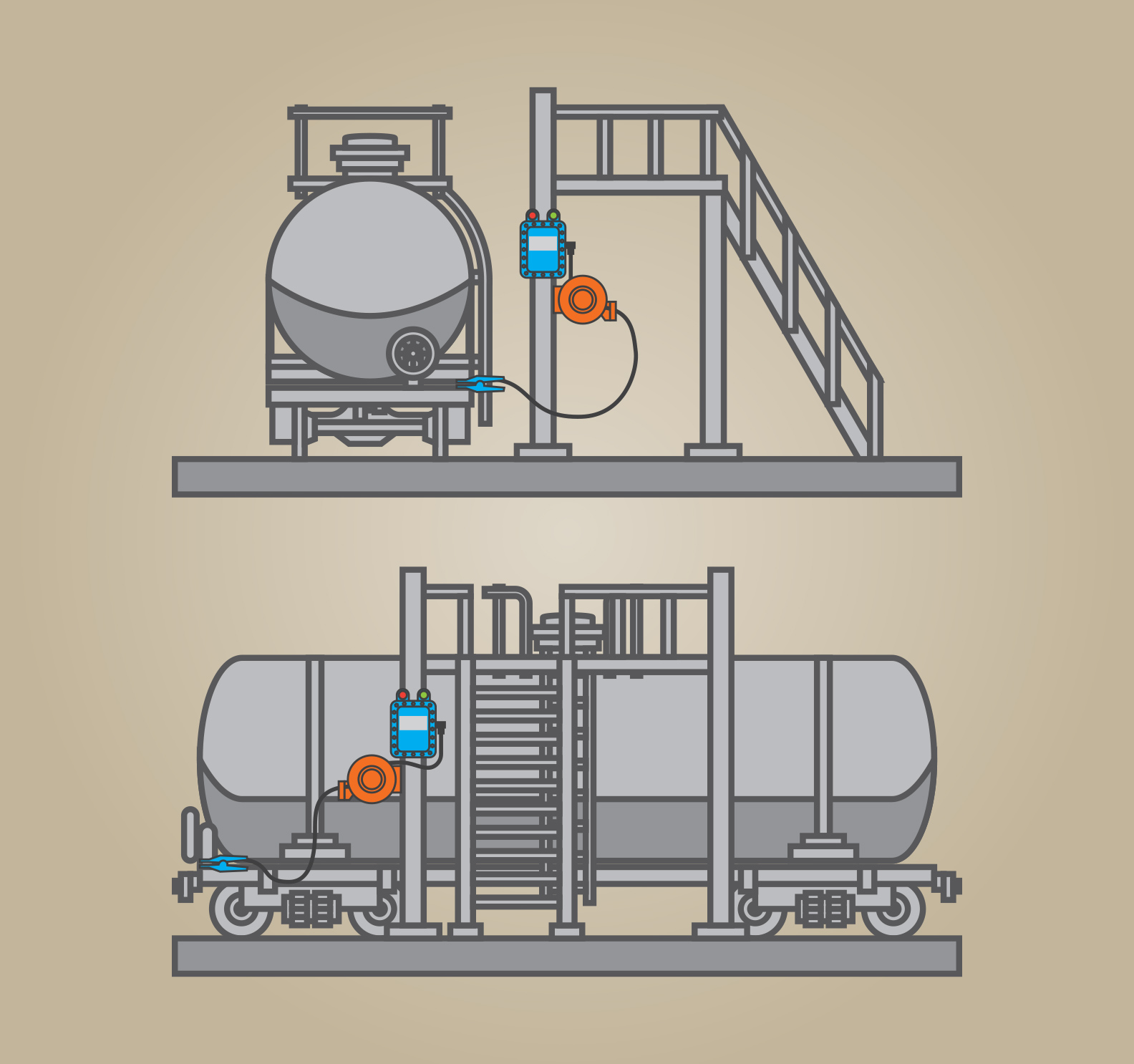
Rail Car Fill Station Static Grounding Systems
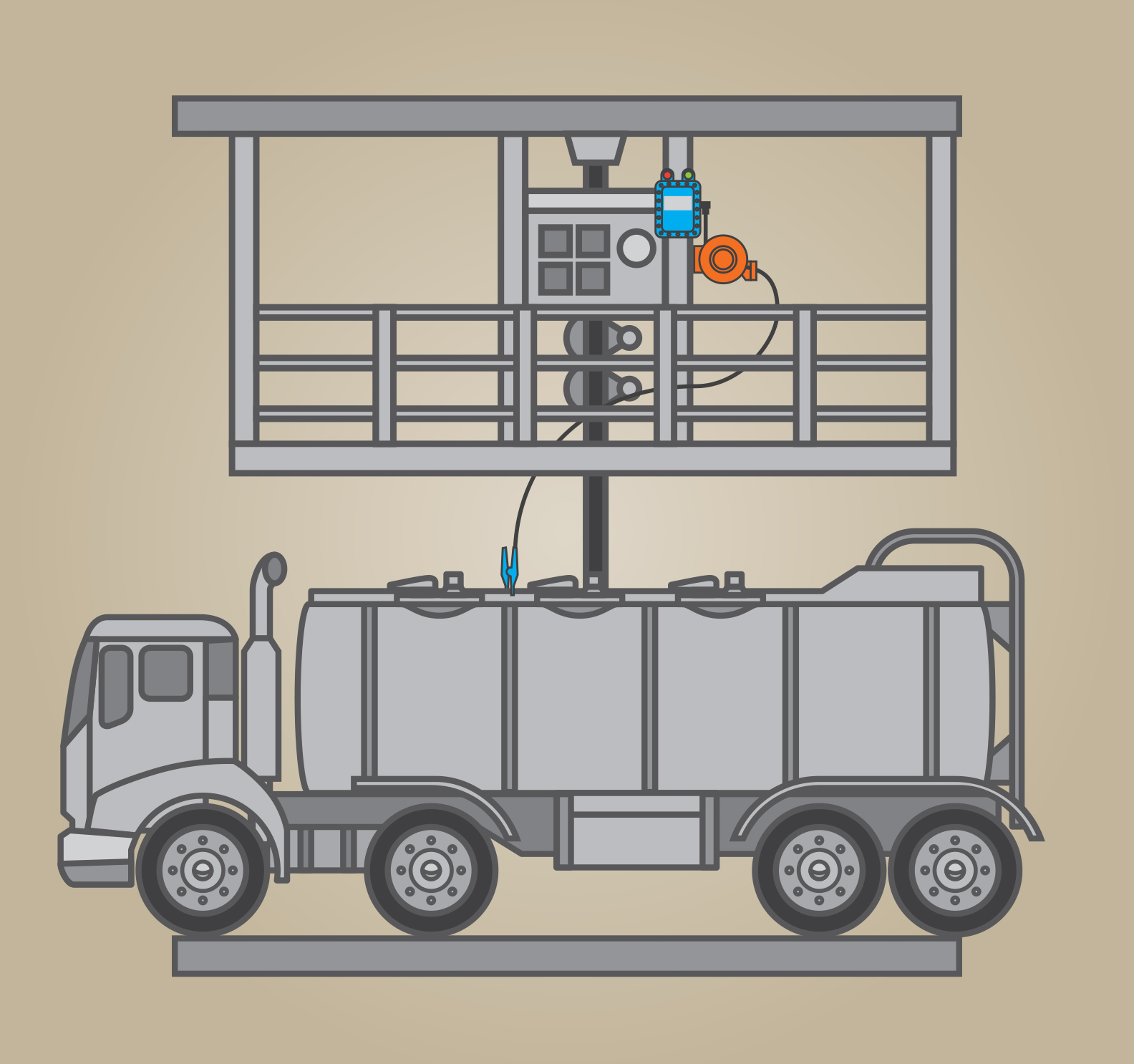
Vacuum Truck Grounding Systems
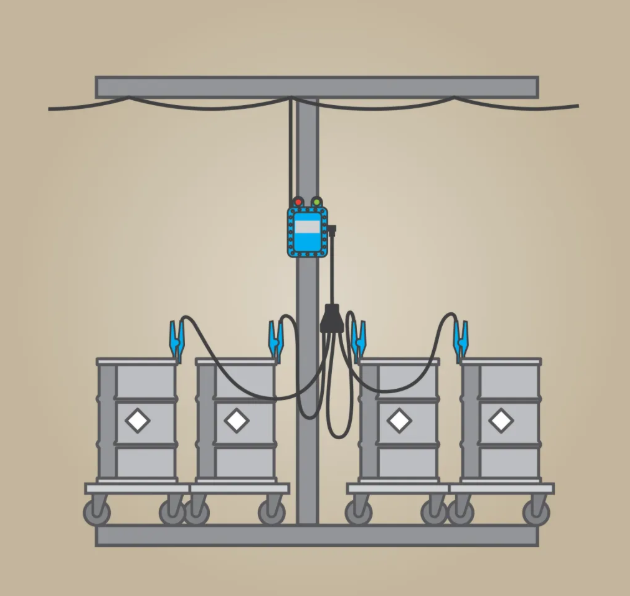
Oil Rig Grounding Systems
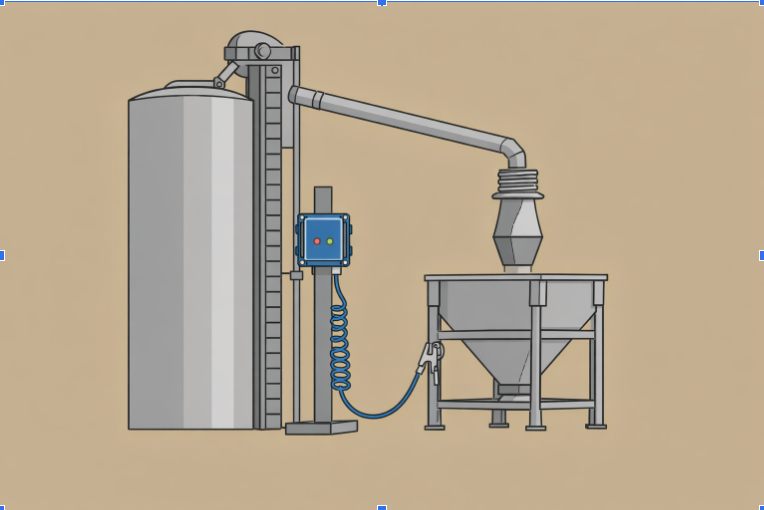
Grain & Powder Processing Static Grounding Systems
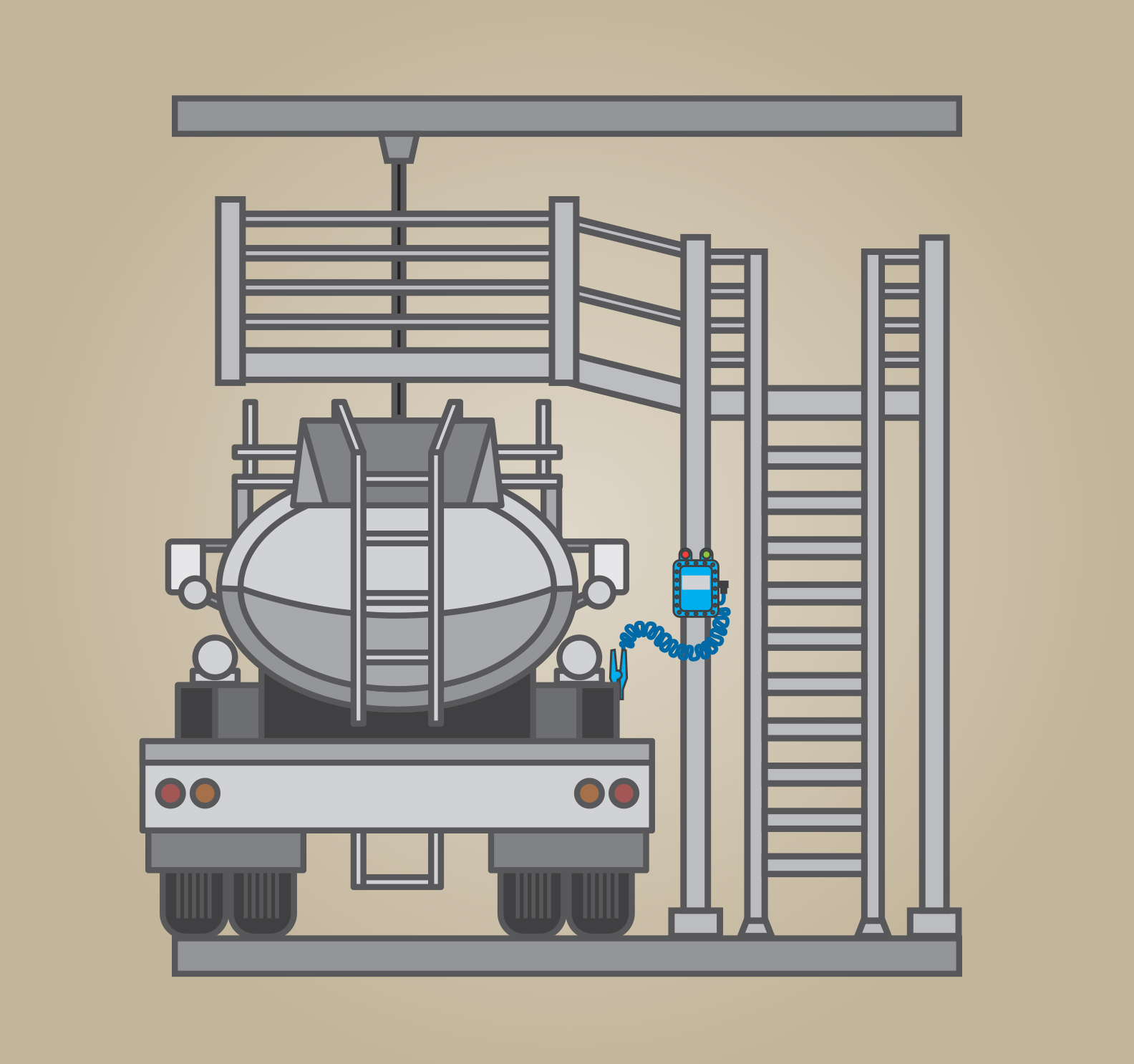
Petroleum Refinery Static Grounding Systems
Paper Manufacturing Static Grounding Systems
Food and Beverage Static Grounding Systems