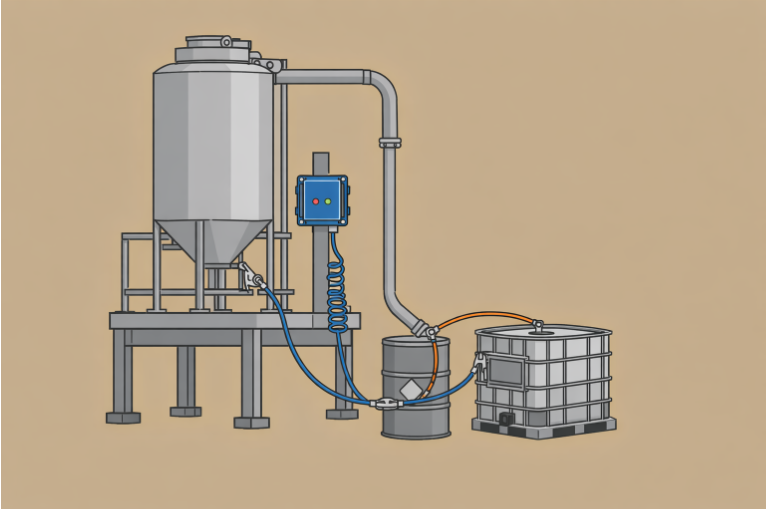

Rail Car Fill Station Static Grounding Systems

Rail cars move billions of gallons of flammable liquids across North America each year. Every loading operation creates static charges that can ignite vapors from combustible materials in seconds. Special Technical Services provides continuous static monitoring systems that protect railway wagon loading at refineries, chemical plants, and distribution terminals.
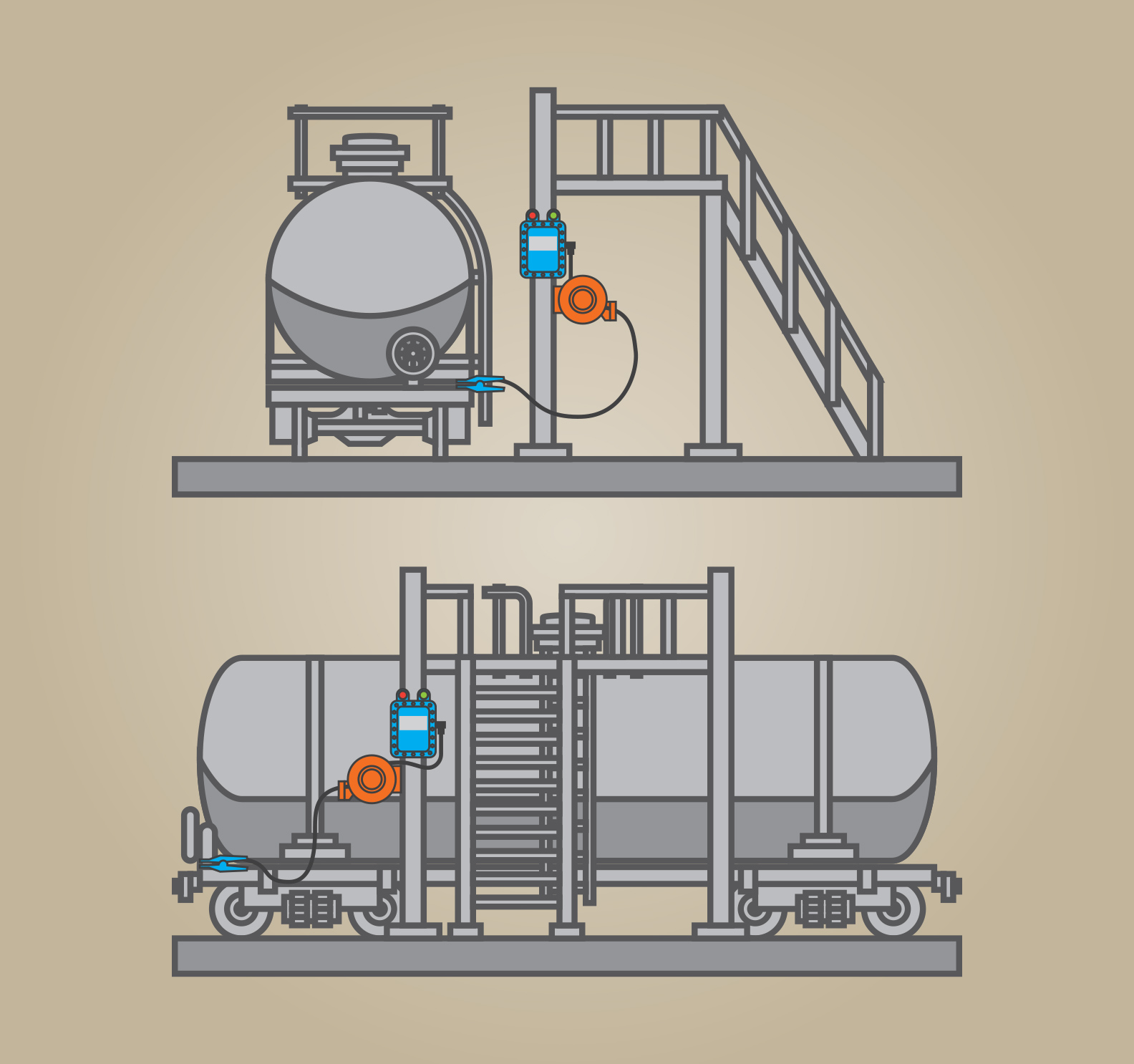
Hero Image
Home  /  Industries  /  Rail Car Fill Station Static Grounding Systems

Ground Monitoring Solutions for Railway Wagon Loading

Rail cars transport large volumes of flammable liquids and chemicals every day. These products include crude oil, gasoline, ethanol, corn oil, jet fuels, and industrial solvents. When these materials flow through loading arms, pipes, and gantry loading system equipment, they generate static electricity. The electrostatic charge builds up on the rail car tank shell. If the tank is not connected to an earth ground, the electrostatic charge can rise to hazardous levels within seconds.

A single spark during product transfer can cause fires and explosions. NFPA 77 (Recommended Practice on Static Electricity) and API RP 2003 require verified grounding and bonding during rail car loading operations. IEC 60079-32 provides international guidance on controlling electrostatic discharge in an explosive atmosphere.

Special Technical Services delivers ground monitoring equipment that meets the strict demands of rail car fill stations. Our STS 300 System provides continuous monitoring of the entire ground path throughout every product transfer. If the grounding condition breaks or connection resistance exceeds safe levels, our systems trigger automatic shutdown of filling equipment. With over 50 years of experience and ISO 9001:2015 certified quality management, STS equipment protects rail car operations at refineries, chemical plants, transfer stations and rail terminals across the globe.

Quick Facts: Rail Car Loading Safety

NFPA 77 2024ed 12.4.2: Resistance to ground from fixed metallic objects should not exceed 10 ohms
Rail car wheel bearings often contain nonconductive materials that block charge dissipation
The minimum ignition energy for petroleum vapors is less than 0.25 millijoules

Static Electricity Hazards in Rail Car Transfer Operations

Rail car loading and unloading operations present unique static electricity challenges that require specialized grounding solutions.

Default Icon

High-Volume Liquid Filling Creates Rapid Charge Accumulation

Rail car tanks hold between 20,000 and 34,500 gallons of product. High-speed pumping moves thousands of gallons per minute through loading arms, pipes, and hoses. This rapid flow generates substantial electrostatic charge. Petroleum products and many chemicals are static accumulators that hold charges instead of letting them dissipate. Without proper grounding, the liquid in the tank can build up voltage exceeding 10,000 volts.
Default Icon

Steel Wheels on Steel Tracks Do Not Provide Reliable Grounding

Many people assume that steel wheels on steel tracks will ground a rail car. This assumption is wrong in most cases. Modern rail car wheels use nonconductive bearing materials, wear pads, and lubricants. These components block the flow of static electricity to ground. NFPA 77 Section 12.4.2 warns about this hazard, and the Association of American Railroads addresses it in their Casualty Prevention Circular (CPC-1245). A dedicated grounding connection between the rail car and the loading system earth point is required.
Default Icon

Flammable Vapors Ignite at Very Low Energy Levels

A static spark that you can barely see or feel can ignite gasoline vapors or combustible gasses near tank openings. Common products transferred at rail car fill stations have low flash points. Jet fuels, gasoline, and solvents create flammable vapor mixtures at ambient temperatures. This means an explosive atmosphere is present during most loading operations.
Default Icon

Weather Conditions Increase Risk

Cold and dry weather increases static electricity buildup during liquid filling. Winter months at northern terminals create higher risk conditions. Wind spreads vapors further from loading points. Rain and humidity affect grounding connections at the ground clamp attachment point. These conditions require reliable ground monitoring systems that verify connections throughout the transfer process.
Default Icon

Connection Points Can Fail During Operations

Grounding cables get dragged across rail yards during operations. Clamps get dropped, bent, and damaged over time. Paint, rust, and product deposits build up on rail car surfaces. Traditional static grounding systems provide no warning when a ground path fails. A clamp that looks secure may have poor electrical continuity. Only a monitored system with bond and ground verification can confirm that the ground path remains intact.
Default Icon

Safety Regulations Require Verified Grounding

NFPA 77, API RP 2003, and OSHA 1910 Subpart D require grounding and bonding during flammable liquids transfers. These standards specify that grounding resistance should stay below 10 ohms. Many facilities require interlock systems that prevent product transfer when grounding is not established. Documentation of grounding practices is required for compliance audits.

How Special Technical Services Protects Rail Car Loading Operations

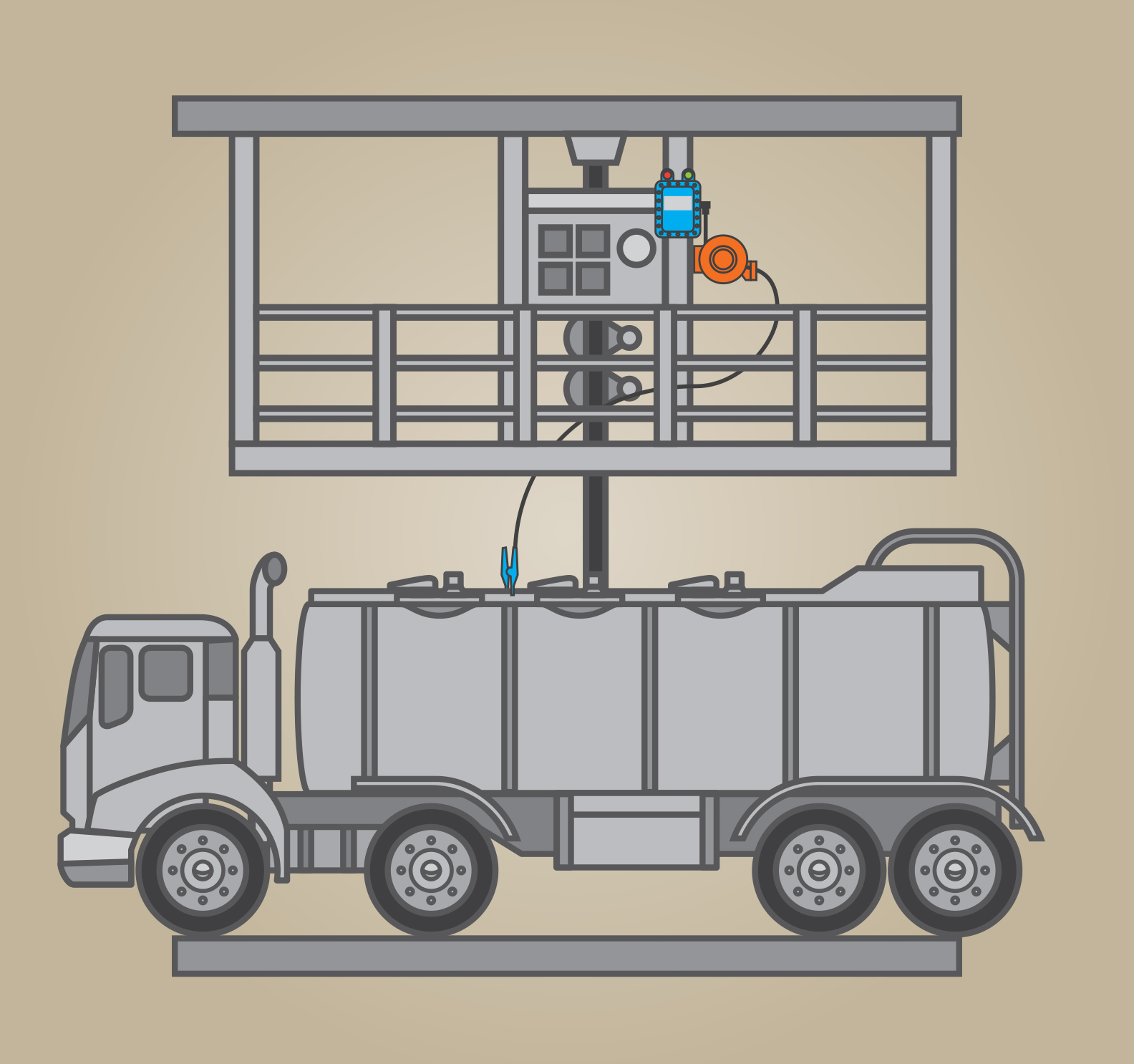
The STS 300 System provides continuous verification that the ground path remains intact throughout product transfer. The moment a ground connection is interrupted or grounding resistance exceeds safe thresholds, our systems automatically shut down pumping equipment before static discharges can occur.

Unlike simple bonding cables that provide no feedback, STS static monitoring systems verify that electricity has a safe path to ground before, during, and after every transfer. Visual indicator lamps confirm grounding status to operators: green means grounded and safe, red means the ground path is broken. Dual interlocking dry contacts provide fail-safe permissive control that integrates with existing safety systems. This interlocking function prevents the fuel loading process from starting until proper grounding is confirmed.
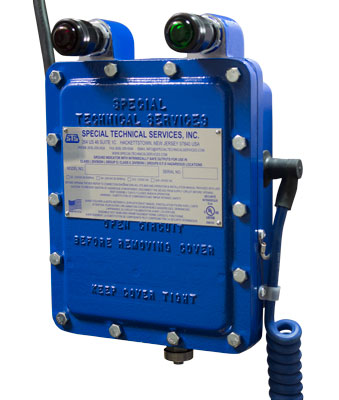
Continuous ground path monitoring throughout loading operations
Automatic equipment shutdown when ground is interrupted
NEMA 7, 8, and 9 explosion-proof enclosures for hazardous locations
Dual interlocking dry contacts for permissive control integration
Visual status confirmation via indicator lamps
Multiple power options: 12VDC, 24VDC, 120VAC, 240VAC
Cable lengths from 10 to 100+ feet for various rail car configurations

Recommended Products for Rail Car Fill Stations

These STS products are selected for rail car loading applications where continuous ground monitoring and explosion-proof construction are required to protect against static buildup hazards..
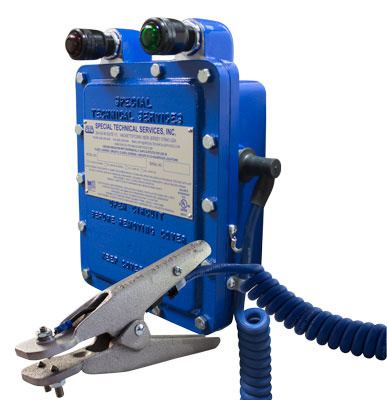
Ground Monitoring System

STS 300 Ground Monitoring System

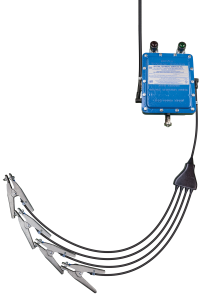
The STS 300 provides continuous ground path monitoring with automatic shutdown capability. It verifies ground resistance stays below 10 ohms and gives clear visual status indication throughout operations. The system uses dual dry contacts for integration with pumps, valves, and PLCs.
Ground Monitoring System

STS 300 Multipoint Grounding System

The multipoint version monitors multiple ground connections from a single control unit. This configuration works well for facilities with several industry-specific equipment, [e.g., "loading positions," "processing stations," "fill points"] that need simultaneous ground verification.
Grounding Clamps

K78160A Grounding Clamp

Heavy-duty aluminum grounding clamp designed for secure attachment to tanks, containers, and process equipment. Sharp contact points penetrate paint, rust, and product buildup for reliable metal-to-metal contact.
Magnetic Grounding

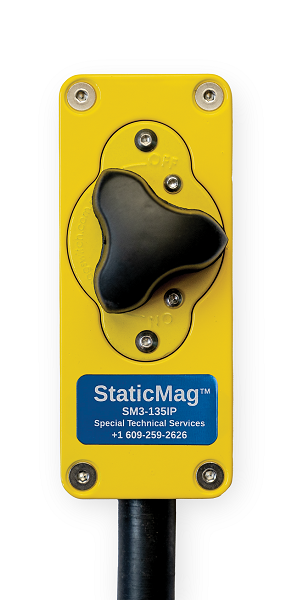
StaticMag™

Quick-attach magnetic grounding device with strong neodymium magnets for fast connection to ferrous metal surfaces. Ideal for curved surfaces like storage drums and cylindrical equipment where traditional clamps cannot grip securely.

Technical Specifications for Rail Car Loading Applications

All specifications comply with NFPA 77 and API RP 2003 requirements for static control during flammable liquids transfers.

Specification STS 300 Series Rail Car Industry Requirement
Equipment Rating Class I, Div 1 Group D & Class II Div 1 Group E,F&G Explosion-proof per NEC Class I, Division 1/2, Groups C and D
Ground Resistance Threshold Less than 10 ohms Not exceeding 10 ohms per NFPA 77
Power Options 12VDC, 24VDC, 120VAC, 240VAC Varies by installation
Operating Temperature -40°F to +140°F (-40°C to +60°C) Outdoor terminal environments
Cable Length Options 10 to 100+ feet 25-75 ft typical for rail car access
Response Time Less than 1 second Immediate shutdown required
Contact Rating Dual dry contacts, 15A @ 120VAC Integration with pump controls
Enclosure Material Cast aluminum, powder coated Corrosion resistant for outdoor use

Built to Meet Rail Car Loading Standards

NFPA 77 Compliant

Recommended Practice on Static Electricity requirements for grounding and bonding. STS systems meet the 10-ohm grounding resistance threshold..

NEMA 7/8/9 Rated

Explosion-proof enclosures for hazardous location installation with hazardous area approval. These ratings apply to environments with combustible gasses at hazardous levels.

ISO 9001:2015 Certified

Quality management system certification for manufacturing.

Made in USA

100% American manufacturing in Budd Lake, New Jersey.

Additional Standards Referenced

NFPA 70 (National Electrical Code) Class I, Division 1/2, Groups C and D; IEC 60079-32 (Explosive Atmospheres); API RP 2003 (Protection Against Ignitions); OSHA 29 CFR 1910.106 (Flammable Liquids); OSHA 1926 (Construction); Association of American Railroads Manual of Standards and Recommended Practices.

Common Questions About Rail Car Static Grounding

Bonding connects two conductive objects together so they share the same electrical potential. This prevents sparks when metal-to-metal contacts come close together. Grounding connects equipment to an earth ground point through a grounding rod so its electrical potential is near zero. In rail car loading, bonding between the loading system and rail car is required. Grounding to earth provides additional safety for charge dissipation. The STS 300 System provides bond and ground verification for complete protection.
NFPA 77 and API RP 2003 recommend visual inspections of grounding cables, clamps, and reels before each use. A grounding tester or ohmmeter should verify electrical continuity and confirm connection resistance below 10 ohms. Monthly or quarterly inspections should examine cable jackets, clamp jaws, and cable retracting reel mechanisms for damage. Test results should be documented. Check clamps for worn teeth that may not achieve proper clamp penetration. Replace damaged components immediately.
If a traditional grounding cable becomes disconnected during loading, operators may not notice until after an incident occurs. Static charges can accumulate and discharge as static sparks near tank openings. STS ground monitoring systems address this risk by continuously verifying ground path integrity. If the grounding condition fails or resistance exceeds the setpoint, our systems immediately signal the interruption and shut down pumping equipment.
Ground clamps should attach to bare, unpainted metal on the rail car. Common attachment points include the tank shell in an unpainted area, handrail posts, or designated grounding lugs. Many rail cars have grounding connection points marked near the loading dome. Avoid painted surfaces, rubber components, and corroded areas. Make the connection before opening hatches and keep it in place until loading is complete.
Cable length depends on the distance from the loading rack to rail car grounding attachment points. Most rail car loading positions require cables between 25 and 75 feet. Longer cables may be needed for loading from portable equipment. STS offers straight cables and coil cables in various lengths. Retractable reels help manage longer cables in busy rail yards.
STS systems require less maintenance than traditional grounding cables because they monitor themselves continuously. Periodic visual inspection of cables and clamps confirms physical condition. The monitoring display shows ground path status at all times, so there is no need for manual resistance checks during normal operation. Clamp contact points should be cleaned if resistance readings increase. Replace cables that show wear or damage to maintain system integrity.

Explore Other Industries We Serve

We provide static grounding solutions across many hazardous industries including petroleum refining, rail car operations, vacuum trucks, and grain processing.
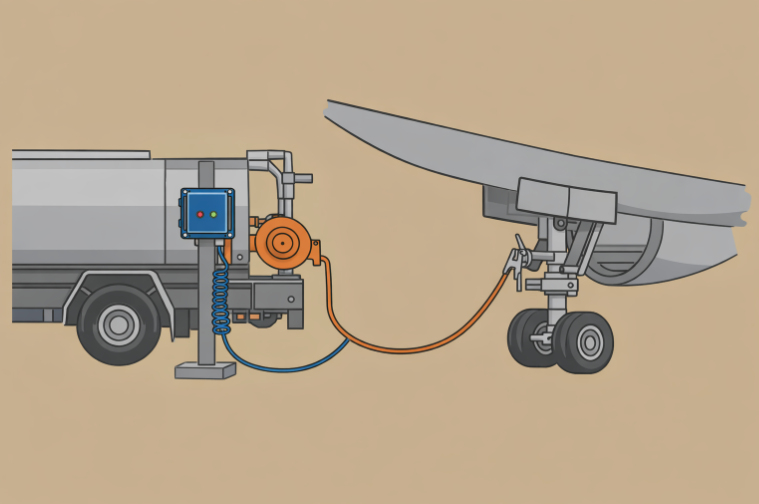
Jet Fuel Fill Station Grounding Systems
(STS) Special Technical Services - Petroleum Refining Graphic

Vacuum Truck Grounding Systems

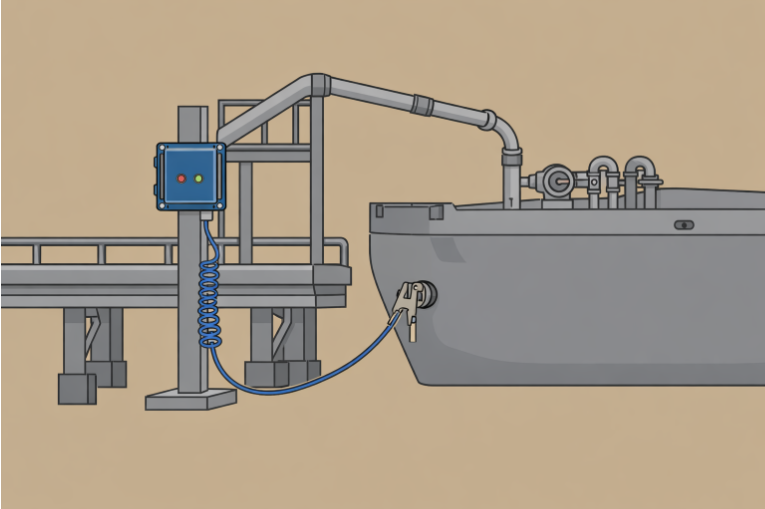
Marine Grounding Systems for Barge and Ship Operations

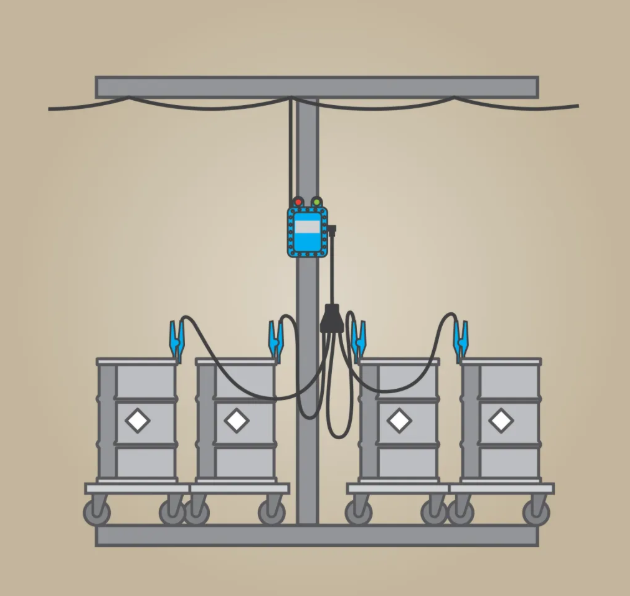
(STS) Special Technical Services Multipoint Grounding Station

Oil Rig Grounding Systems

Grain & Powder Processing Static Grounding Systems
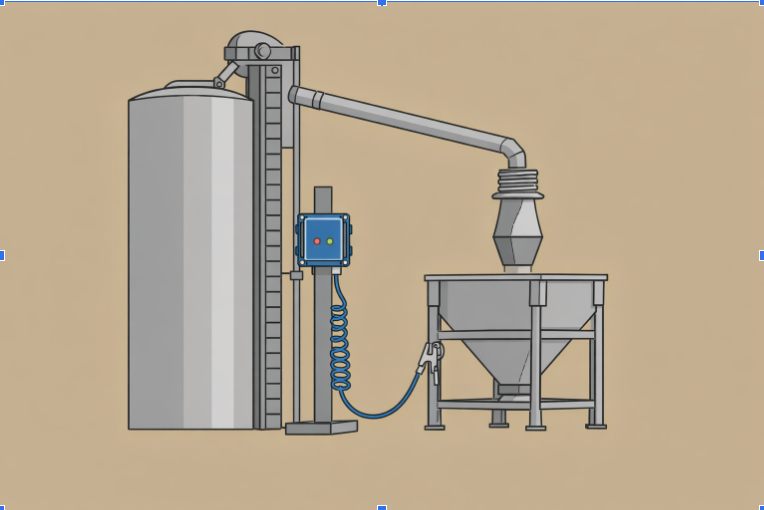
(STS) Special Technical Services - Batch Processing Graphic

Petroleum Refinery Static Grounding Systems
Paper Manufacturing Static Grounding Systems
Food and Beverage Static Grounding Systems
Chemical Processing Static Grounding Systems

Ready to Protect Your Chemical Processing Operations?

Contact Special Technical Services for expert guidance on static grounding solutions built for chemical processing facilities. Our team can help you select the right ground monitoring system for your application.